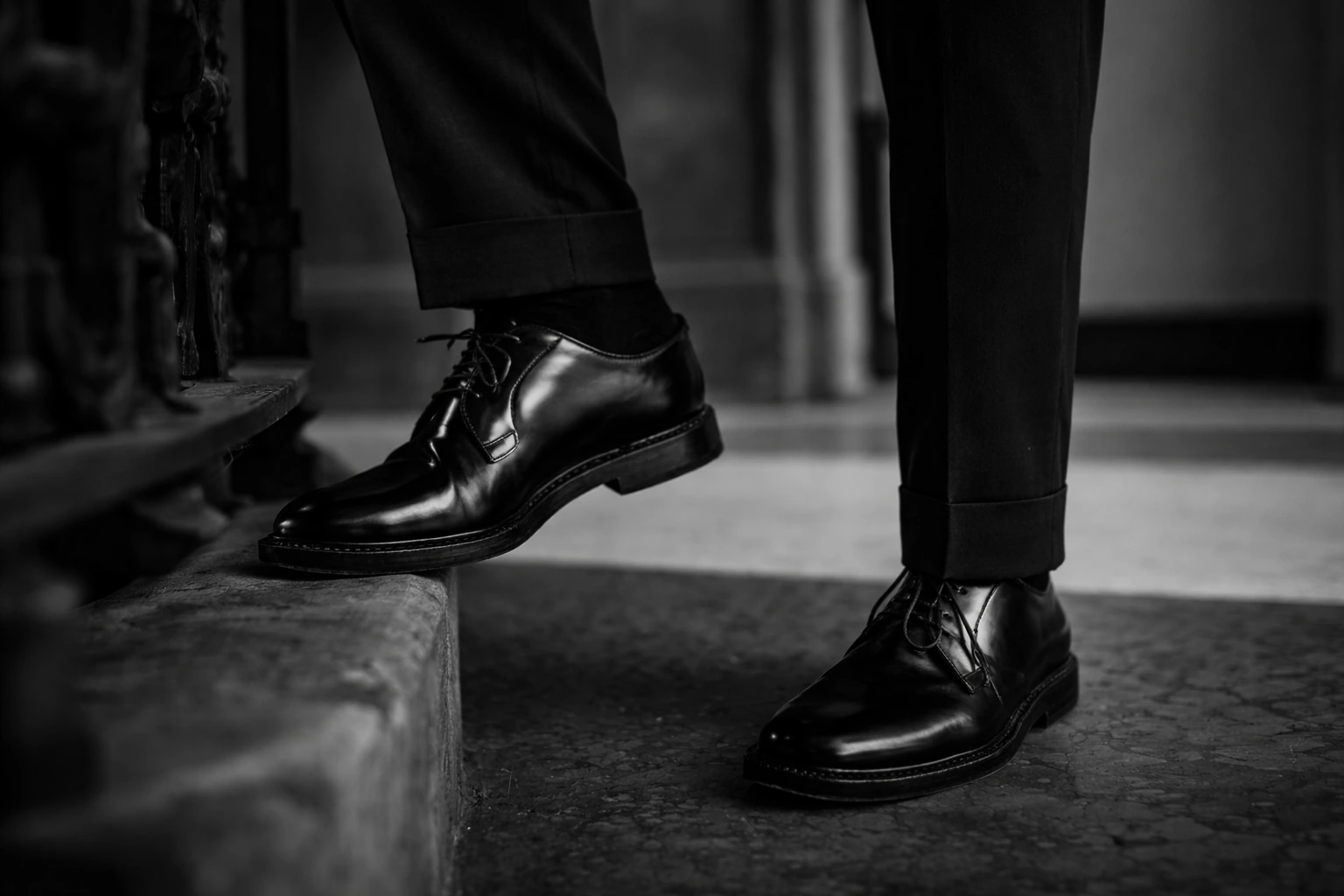

Buying shoes should be a straightforward process find the right size, ensure a comfortable fit, and walk away satisfied. Yet, many men consistently end up purchasing shoes that are slightly (or sometimes significantly) too big. This common habit may seem trivial at first, but it reflects a mix of psychological, cultural, and practical factors. Understanding why men make this choice reveals interesting insights into behavior, comfort preferences, and even social influences.
1. The Fear of Tight Shoes
One of the most common reasons men buy larger shoes is the fear of discomfort caused by tight footwear. Many men have experienced the pain of blisters, pinched toes, or restricted movement at some point in their lives. As a result, they often overcompensate by choosing a bigger size to avoid repeating that discomfort.
This fear is especially strong when trying new brands. Shoe sizes are not always consistent across manufacturers, and what fits perfectly in one brand may feel tight in another. Rather than risk a snug fit, many men prefer to size up “just in case.”
2. Misunderstanding Proper Fit
A surprising number of men simply do not know what a properly fitting shoe should feel like. Unlike tailored clothing, footwear sizing is rarely explained in detail to consumers. Many assume that if their toes are not touching the front, the shoe fits correctly—even if there’s excessive space.
In reality, a well-fitting shoe should have:
- About a thumb’s width of space at the front
- A snug (not tight) fit around the heel
- Minimal sliding when walking
Without this knowledge, men often interpret “roomy” as “comfortable,” leading them to choose larger sizes.
3. Shopping Convenience and Time Pressure
Men are often stereotyped as quick, no-fuss shoppers, and there is some truth to this behavior. Many prefer to spend as little time as possible trying on multiple sizes or styles. If a shoe feels “good enough,” they are likely to buy it without further consideration.
Trying a slightly larger size can feel easier than dealing with the inconvenience of tight shoes later. In fast-paced shopping environments—especially online—this tendency becomes even more pronounced.
4. Influence of Online Shopping
The rise of e-commerce has significantly changed how people buy shoes. Without the ability to try shoes on before purchasing, many men play it safe by ordering a larger size. The logic is simple: it’s easier to manage a slightly big shoe than one that’s too small.
Return policies also play a role. While returns are often available, the hassle of repackaging and shipping items back discourages precision. As a result, men lean toward sizes that reduce the risk of immediate discomfort.
5. Foot Changes Over Time
Feet are not static—they change with age, weight fluctuations, and lifestyle. Many men continue to buy the same shoe size they wore years ago, even though their feet may have widened or lengthened slightly.
To compensate for this subtle change, they may choose a larger size rather than reassessing their actual measurements. This gradual shift often goes unnoticed but contributes to the habit of buying oversized shoes.
6. Socks and Seasonal Considerations
Another practical reason is the type of socks men wear. Thicker socks, especially in colder climates or during winter months, require extra space inside the shoe. Instead of owning multiple pairs in different sizes, some men opt for a slightly larger size that accommodates all sock types.
This approach offers flexibility but often results in a less secure fit when thinner socks are worn.
7. Cultural and Social Factors
In some cultures and social settings, larger shoes are subconsciously associated with comfort, masculinity, or even status. While not always openly discussed, these perceptions can influence buying decisions.
Additionally, advice passed down informally—such as “always buy a size bigger for comfort”—can shape habits over time. These beliefs, even if outdated or inaccurate, continue to affect purchasing behavior.
8. Avoiding Foot Health Issues
Some men intentionally buy larger shoes to prevent foot problems like bunions, corns, or ingrown toenails. While this intention is valid, oversizing is not always the correct solution.
Foot health experts generally recommend proper sizing and supportive footwear rather than simply increasing size. However, without professional guidance, many men assume that bigger automatically means healthier.
9. Lack of Professional Fitting
Unlike specialized stores that offer professional fitting services, many retail environments do not provide personalized assistance. Men rarely seek out foot measurements unless they are athletes or have specific medical needs.
Without expert input, they rely on guesswork or past experience, which can lead to consistently choosing the wrong size.
10. Psychological Comfort
Beyond physical comfort, there is also a psychological aspect. Wearing slightly larger shoes can feel less restrictive and more relaxed. This sense of freedom may be subtle, but it contributes to a preference for roomier footwear.
For some, tight shoes create a feeling of confinement, while larger shoes offer a sense of ease—even if the fit is not technically correct.
11. Brand Variations and Inconsistency
Shoe sizing is not standardized across all brands. A size 9 in one brand might feel like a size 8.5 or 9.5 in another. This inconsistency creates confusion and encourages men to “play it safe” by going up a size.
Over time, this cautious approach becomes a habit, even when it’s not necessary for every purchase.
12. Athletic and Casual Preferences
In athletic and casual footwear, a slightly looser fit is often preferred for flexibility and movement. Running shoes, for example, may require extra space to accommodate foot expansion during activity.
Men who primarily wear such shoes may carry this preference into formal or everyday footwear, where a snugger fit would actually be more appropriate.
The Downsides of Oversized Shoes
While buying larger shoes might seem harmless, it can lead to several issues:
- Reduced stability and balance
- Increased risk of tripping or slipping
- Foot fatigue due to lack of support
- Improper gait and posture over time
These problems highlight the importance of finding the correct size rather than relying on guesswork.
How to Choose the Right Shoe Size
To avoid buying shoes that are too big, men can follow a few simple steps:
- Measure feet regularly, especially as they age
- Try shoes on in the evening when feet are slightly swollen
- Walk around in the shoes to test fit and comfort
- Pay attention to heel grip and toe space
- Consult store professionals when available
Conclusion
The tendency for men to buy shoes that are too big is influenced by a combination of comfort concerns, lack of knowledge, shopping habits, and psychological preferences. While the intention is often to avoid discomfort, the result can lead to long-term issues if not addressed properly.
Understanding the reasons behind this behavior is the first step toward making better choices. By focusing on proper fit rather than perceived comfort, men can improve not only their footwear experience but also their overall foot health.