

Let’s be honest most of us have stood in a fast fashion store holding a £12 top, knowing it’ll fall apart after three washes, and bought it anyway. It’s not a character flaw. For years, affordable style and ethical clothing felt like two things that couldn’t exist in the same wardrobe. But something shifted.
Sustainable fashion brands have quietly grown up. They’ve moved past the era of shapeless hemp tunics and preachy labels. Today, the best eco friendly clothing 2026 has to offer is genuinely stylish, competitively priced, and built to last. Whether you’re refreshing your wardrobe for spring or searching for investment pieces worth every rupee, this guide covers the sustainable fashion brands making waves right now — and the specific outfits worth your attention this April.
Here’s what you’ll find in this article: the top sustainable fashion brands of 2026, the hottest green fashion trends for April, a breakdown of fabric innovation (bamboo fabric clothes, anyone?), smart shopping tips, and answers to the questions people are actually Googling.
Why Sustainable Fashion Brands Are Dominating 2026
The numbers tell the story plainly. The global sustainable fashion market crossed $10 billion in 2025, and consumer behaviour surveys show that nearly 60% of shoppers under 35 now factor environmental impact into their clothing decisions. That’s not a niche trend — it’s a mainstream shift.
What’s driving this in 2026 specifically? A few things have converged. Firstly, transparency technology has made it harder for brands to greenwash — apps and browser extensions can now scan a label and reveal the full supply chain in seconds. Secondly, material innovation has genuinely caught up with aesthetics. Brands working with bamboo fabric clothes, Tencel, and recycled ocean plastics are producing items that look and feel premium.
For shoppers in India especially, the conversation around green fashion has taken on local flavour. Homegrown labels are weaving sustainable practices into traditional craft techniques — think khadi with a contemporary cut, or block-printed organic cotton making a confident comeback on international runways.
Top Sustainable Fashion Brands to Know in April 2026
Not all brands wearing the ‘sustainable’ badge have earned it. Here are the ones that have, across different price points and style profiles.
Global Brands Setting the Standard
- Patagonia — Still the benchmark for supply chain accountability. Their worn wear programme and repair services make the circular model concrete, not just conceptual.
- Stella McCartney — Luxury without leather or fur, now pushing into lab-grown materials. Her April 2026 collection features a striking use of mycelium-based leather alternatives.
- Eileen Fisher — Renowned for timeless silhouettes in organic linen and recycled fibres. Their take-back scheme has now processed over 1.5 million garments.
- Veja — The trainer brand that built its entire model around fair-trade sourcing and radical transparency. Still the most credible name in sustainable footwear.
Indian Sustainable Fashion Brands Worth Supporting
India’s sustainable fashion scene is one of the most exciting in the world right now, and it’s largely flying under the international radar.
- No Nasties — Pune-based, GOTS-certified organic cotton label. Clean basics with real credentials.
- Doodlage — Delhi brand creating contemporary silhouettes from pre-consumer textile waste. Every piece is genuinely one of a kind.
- Nicobar — Thoughtful design, responsible sourcing, and a strong seasonal narrative. Their April edit leans into light linen separates ideal for Maharashtra’s transitional spring heat.
April 2026 Green Fashion Trends: What’s Actually Worth Wearing
Trend forecasting and sustainability don’t always sit comfortably together fast trend cycles are, after all, part of what broke the fashion system in the first place. But there are recurring directions in eco friendly clothing 2026 that feel genuinely lasting rather than disposable.
Earth Tones and Nature-Led Palettes
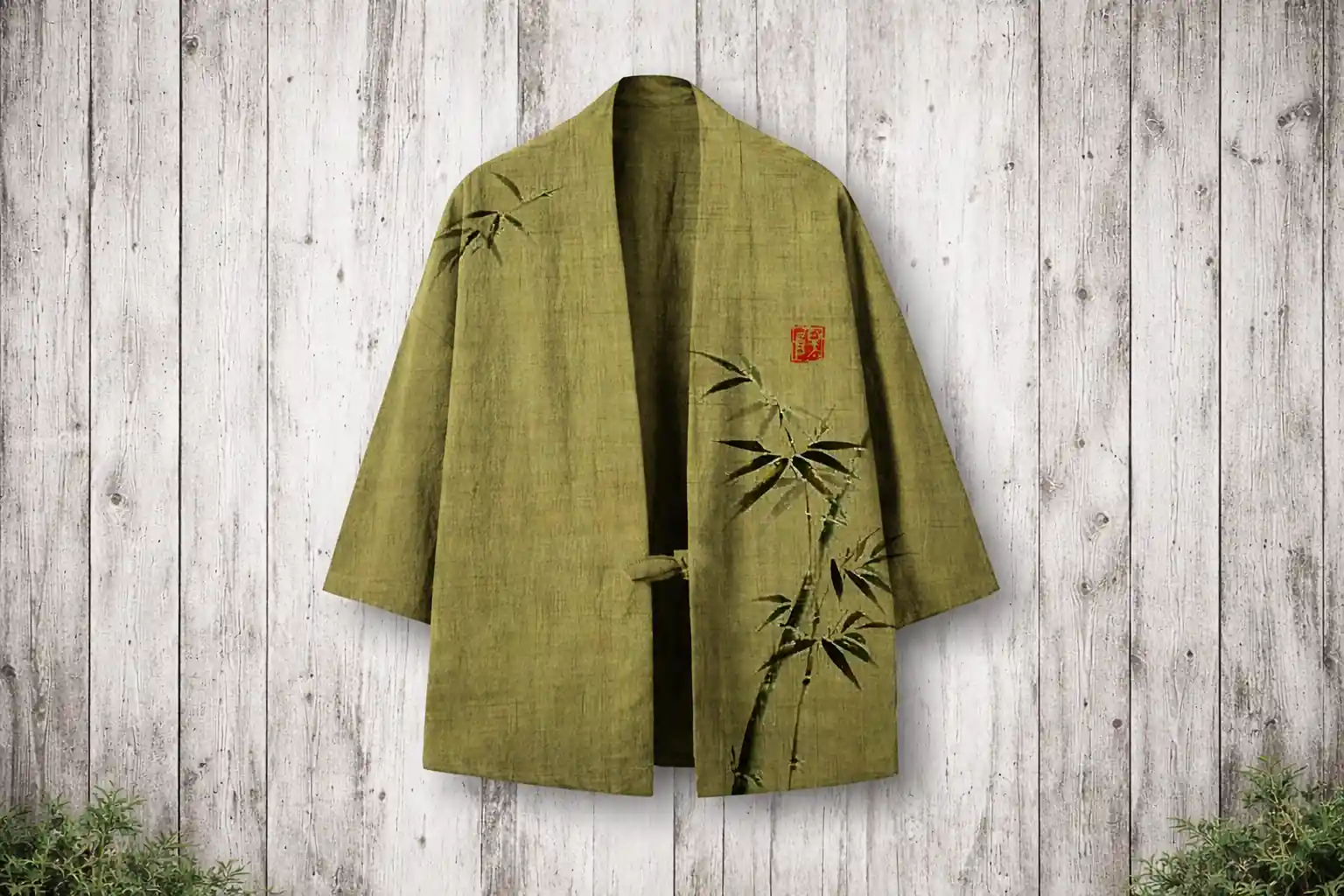
Warm terracottas, sage greens, undyed naturals, and ochres dominate the April palette. These shades aren’t just aesthetically cohesive they’re often a byproduct of natural dyeing processes that use significantly less water and zero synthetic chemicals. A terracotta linen co-ord or a sage bamboo wrap dress works brilliantly for transitional spring dressing and photographs beautifully in natural light.
Relaxed Tailoring in Sustainable Fabrics
The oversized blazer trend has evolved into something more considered. Think structured but breathable bamboo fabric clothes and organic cotton blends cut into wide-leg trousers and longline blazers. The silhouette is effortless, but the construction is deliberately durable. Pair a bamboo-blend blazer with straight-leg khadi trousers for an outfit that works from a co-working space in Pune to an evening dinner in Mumbai.
Statement Knitwear from Recycled Fibres
Even as temperatures rise across South Asia in April, evenings still call for a layer. Recycled cotton and reclaimed wool knits often undyed to reduce processing are having a strong moment. Look for open-weave construction that adds visual interest without adding weight. A chunky-knit vest in recycled cotton over a breathable organic tee is the April evening uniform that sustainable fashion brands are pushing hard this season.
Bamboo Fabric Clothes: The Material You Need to Understand
Bamboo has become one of the most discussed materials in sustainable fashion, and for good reason but it’s worth understanding what you’re actually buying.
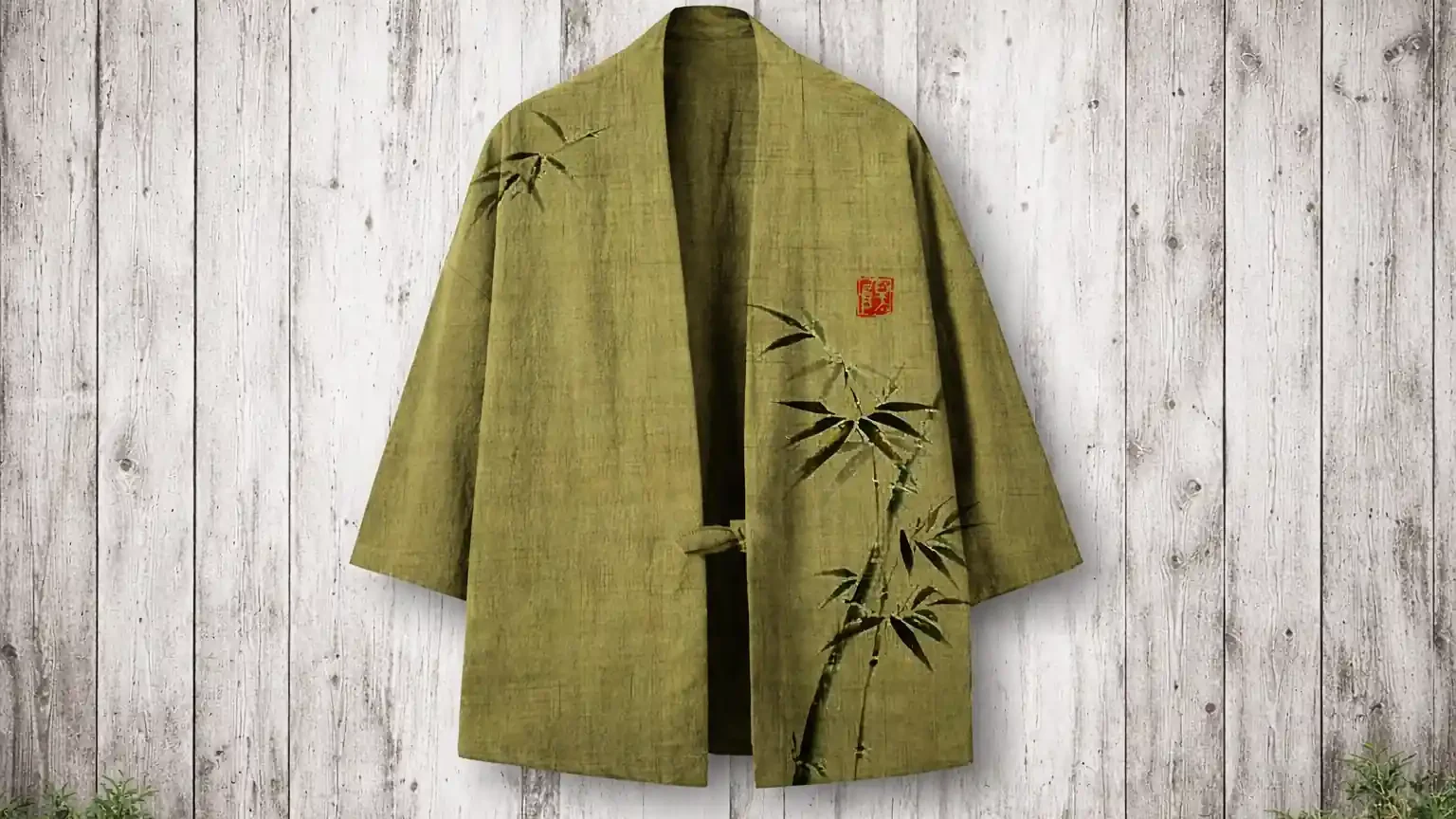
Bamboo as a raw material is genuinely impressive. It grows at extraordinary speed without pesticides or irrigation, sequesters carbon efficiently, and requires no replanting. The problem historically was the processing: converting bamboo pulp into fabric traditionally involved harsh chemicals. The good news is that closed-loop processing systems where chemicals are captured and reused have made bamboo viscose and lyocell significantly cleaner than they were five years ago.
What do bamboo fabric clothes actually feel like? Exceptionally soft often compared to cashmere in terms of hand feel. They’re naturally thermoregulating, moisture-wicking, and have inherent antibacterial properties. For spring and summer dressing in India’s climate, a bamboo-blend kurta or bamboo jersey tee is genuinely more comfortable than most cotton alternatives.
When shopping for bamboo fabric clothes, look for OEKO-TEX certification and brands that specify closed-loop processing. This distinction matters it’s the difference between genuinely green fashion and a greenwashed label.
How to Build a Sustainable Wardrobe Without Starting From Scratch
The most sustainable garment is the one you already own. That’s not a throwaway line it’s the foundational principle of any genuinely green approach to dressing. Before buying anything new from even the most ethical sustainable fashion brands, ask whether your existing wardrobe is being fully used.
That said, wardrobes do need refreshing, and there are smart ways to do it:
- Buy less, buy better — Invest in three genuinely versatile pieces rather than ten cheap ones. A well-constructed organic linen shirt will outlast fifteen fast fashion alternatives.
- Second-hand first — Platforms like ThredUp, Vinted, and Indian resale platforms like Relove make it easier than ever to find quality pre-owned clothing before buying new.
- Ask for certification — GOTS, Fair Trade, OEKO-TEX, and B Corp status are the most credible signals that a brand’s sustainable claims hold up under scrutiny.
- Care for what you have — Washing at lower temperatures, air drying, and prompt repairs extend garment life dramatically. The carbon footprint of a garment is heavily influenced by how it’s cared for, not just how it’s made.
Frequently Asked Questions About Sustainable Fashion Brands
What makes a fashion brand truly sustainable?
A genuinely sustainable fashion brand addresses environmental impact across its entire supply chain — from raw material sourcing and manufacturing processes through to packaging and end-of-life garment handling. Third-party certifications like GOTS (Global Organic Textile Standard), Fair Trade, and B Corp status provide independent verification. Brands that are transparent about where and how their garments are made including wages paid to workers carry the most credibility.
Is eco friendly clothing 2026 more expensive than conventional fashion?
In upfront cost terms, yes often. But the cost-per-wear calculation shifts the picture significantly. A ₹4,000 organic cotton kurta that lasts five years and holds its shape represents far better value than a ₹800 fast fashion piece that fades and pills after six months. The price premium in sustainable fashion reflects genuine costs: fair wages, quality materials, and responsible processing. It’s not markup it’s the actual cost of making clothing responsibly.
Are bamboo fabric clothes actually better for the environment?
It depends on how they’re processed. Bamboo as a crop is genuinely sustainable rapid growth, no pesticides, efficient carbon sequestration. The environmental credentials of the final fabric depend on whether closed-loop processing was used to handle the chemical conversion from raw bamboo to wearable fibre. Brands using OEKO-TEX certified bamboo fabric with documented closed-loop processing offer the most credible green credentials. When in doubt, ask the brand directly responsible ones will have a clear answer.
Can I find good green fashion options in India?
Absolutely and India is arguably better positioned than most countries to lead in this space. The country has deep traditions of natural dyeing, hand-weaving, and craft-based textile production that align naturally with sustainable principles. Beyond established names like No Nasties and Doodlage, local artisan brands and cooperative labels are producing exceptional eco friendly clothing that also supports traditional livelihoods. Online platforms like The Summer House and Good Earth bridge the gap between artisan craft and contemporary design.
What are the best sustainable fashion trends for April 2026?
April 2026’s most wearable sustainable trends centre on natural, breathable fabrics in earth-tone palettes. Relaxed linen and bamboo separates, oversized organic cotton tailoring, and artisan-craft details embroidery, block print, hand-weave are all performing strongly. The through-line is longevity: pieces designed to still look relevant and feel good in 2029, not just 2026.
Ready to Make the Switch? Start With One Piece
Sustainable fashion isn’t about perfection it’s about direction. You don’t need to overhaul your entire wardrobe overnight or only buy from brands with flawless eco credentials. The shift starts with one more considered choice: a bamboo-fabric kurta instead of a synthetic one, a second-hand blazer instead of a new fast fashion piece, a brand that publishes its supply chain instead of one that doesn’t.
The sustainable fashion brands covered in this article are producing some of the most genuinely stylish, durable, and responsibly made clothing available in 2026. April is a beautiful time to refresh your wardrobe with the season’s natural palettes and breathable fabrics and to do it in a way that actually holds up to scrutiny.