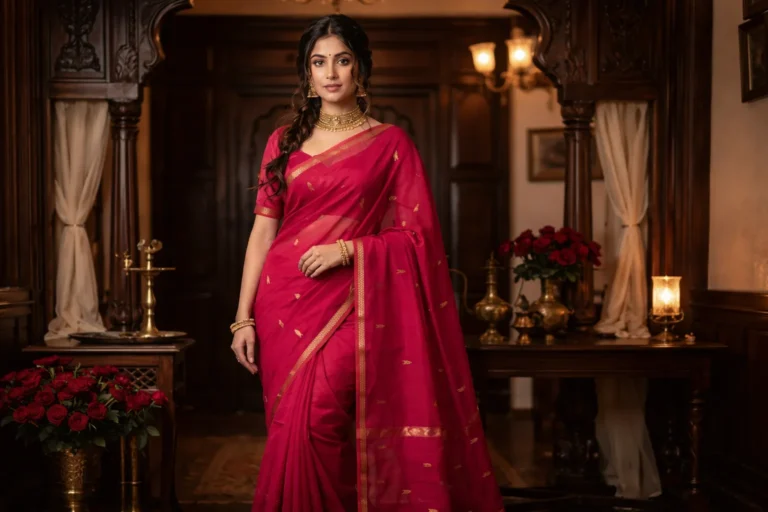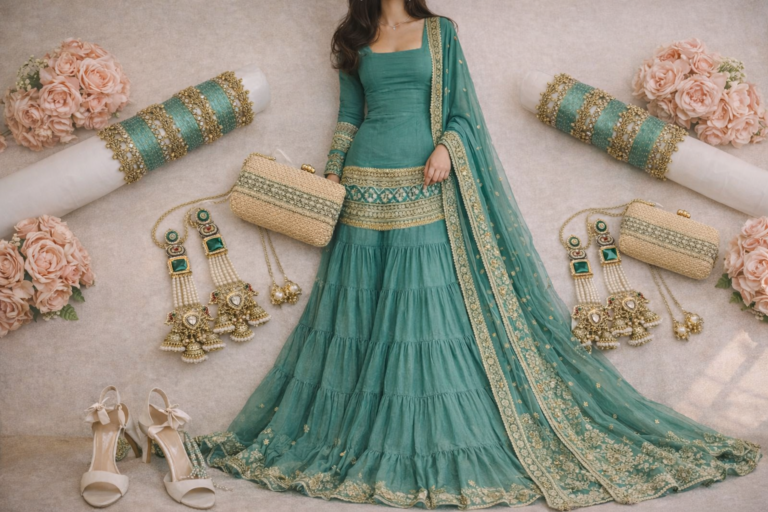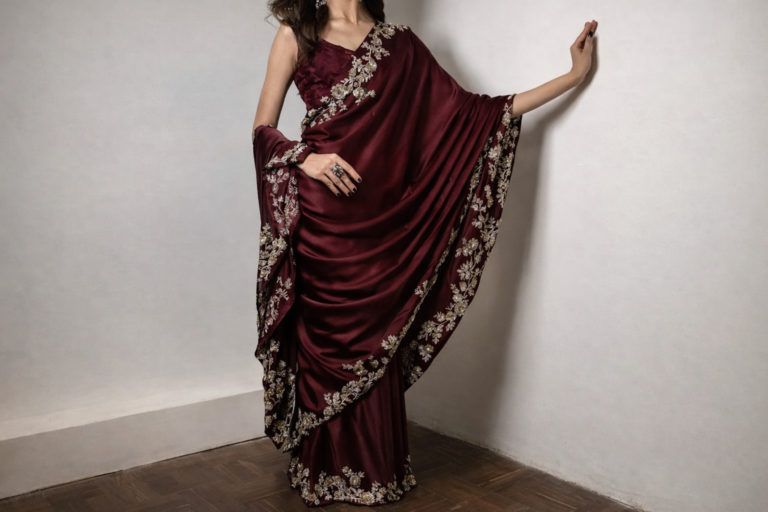

The Anarkali kurta is one of the most iconic and graceful outfits in Indian ethnic fashion. Known for its flowing silhouette, intricate designs, and royal appeal, this attire has remained a favorite among women for generations. Whether worn at weddings, festivals, or formal gatherings, the Anarkali kurta beautifully blends tradition with modern style.
This article explores the origin, design, styling, and significance of the Anarkali kurta, highlighting why it continues to be a timeless choice in every wardrobe.
Origin and Historical Significance
The Anarkali kurta traces its roots back to the Mughal era. It is believed to be inspired by the legendary courtesan Anarkali, who was known for her beauty and elegance. During the reign of Mughal emperors, women wore long, flowy garments that enhanced their grace and femininity.
These outfits were designed with rich fabrics, heavy embroidery, and royal aesthetics, reflecting the luxurious lifestyle of that time. Over the years, the Anarkali kurta evolved but retained its regal charm, making it a symbol of heritage and tradition.
Design and Structure
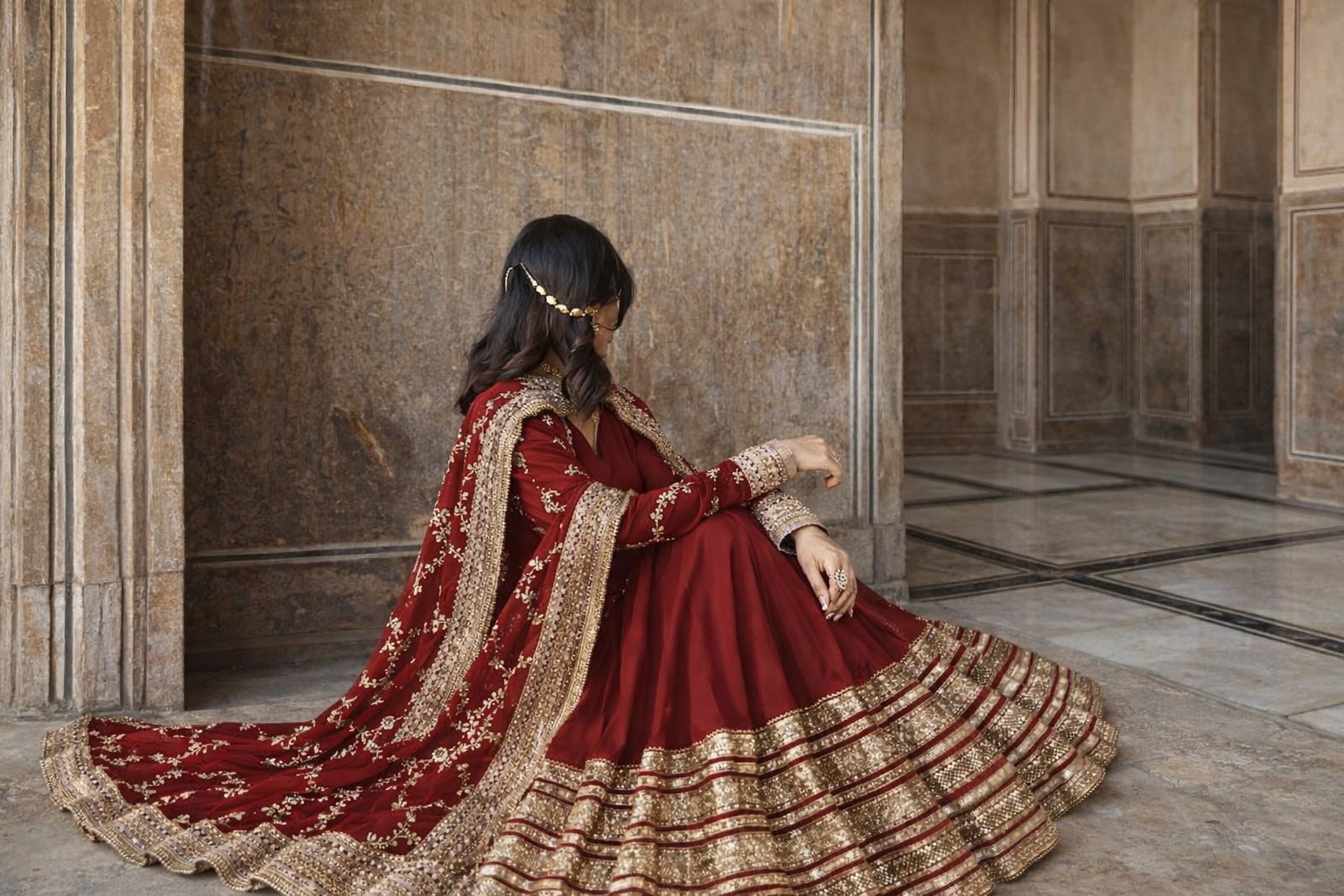
The most distinctive feature of an Anarkali kurta is its flared silhouette. Unlike straight-cut kurtas, this outfit is fitted at the top and gradually widens towards the bottom, creating a frock-style appearance.
Key Elements of Anarkali Kurta
- Fitted Bodice: Enhances the upper body shape
- Flowing Flare: Adds elegance and movement
- Length Variations: Ranges from knee-length to floor-length
- Sleeve Styles: Full sleeves, sleeveless, or three-quarter sleeves
- Neck Designs: Round neck, V-neck, or heavily embroidered necklines
The flare can vary from subtle to extremely voluminous, depending on the design and occasion.
Fabrics Used in Anarkali Kurtas
The choice of fabric plays a crucial role in defining the look and comfort of an Anarkali kurta. Designers use a wide range of materials to suit different occasions.
Common Fabrics Include:
- Cotton: Ideal for daily wear and comfort
- Georgette: Lightweight and perfect for parties
- Chiffon: Adds a soft and flowy appearance
- Silk: Gives a rich and luxurious feel
- Velvet: Perfect for winter weddings and grand occasions
Each fabric contributes to the overall elegance and functionality of the outfit.
Types of Anarkali Kurtas
Anarkali kurtas come in various styles to suit different tastes and events. Some popular types include:
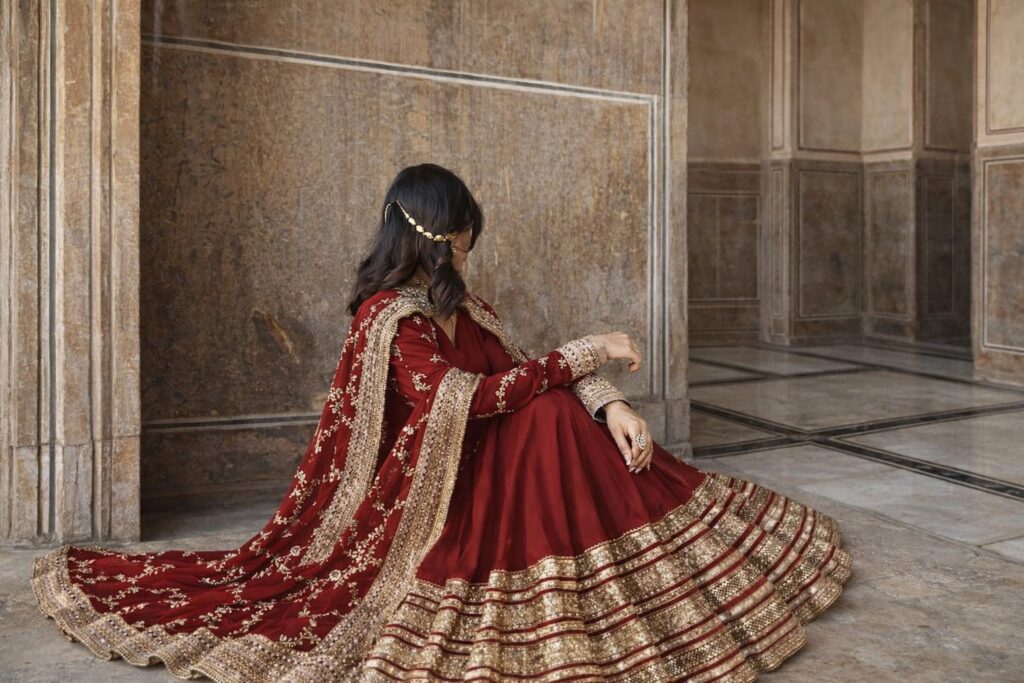
1. Floor-Length Anarkali
Perfect for weddings and formal occasions, this style resembles a gown and gives a royal look.
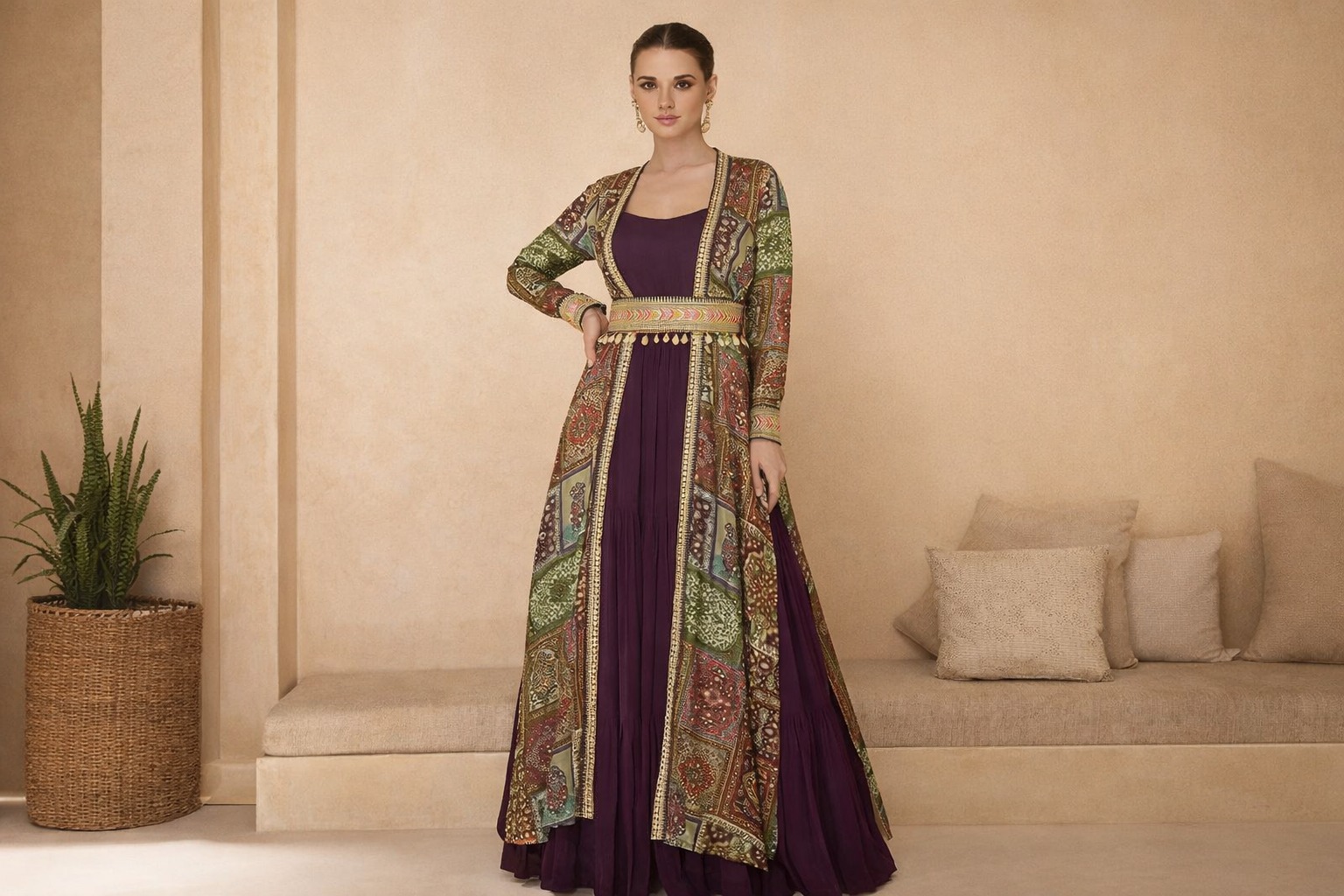
2. Jacket Style Anarkali
Comes with an overlay jacket that adds a modern twist to traditional attire.
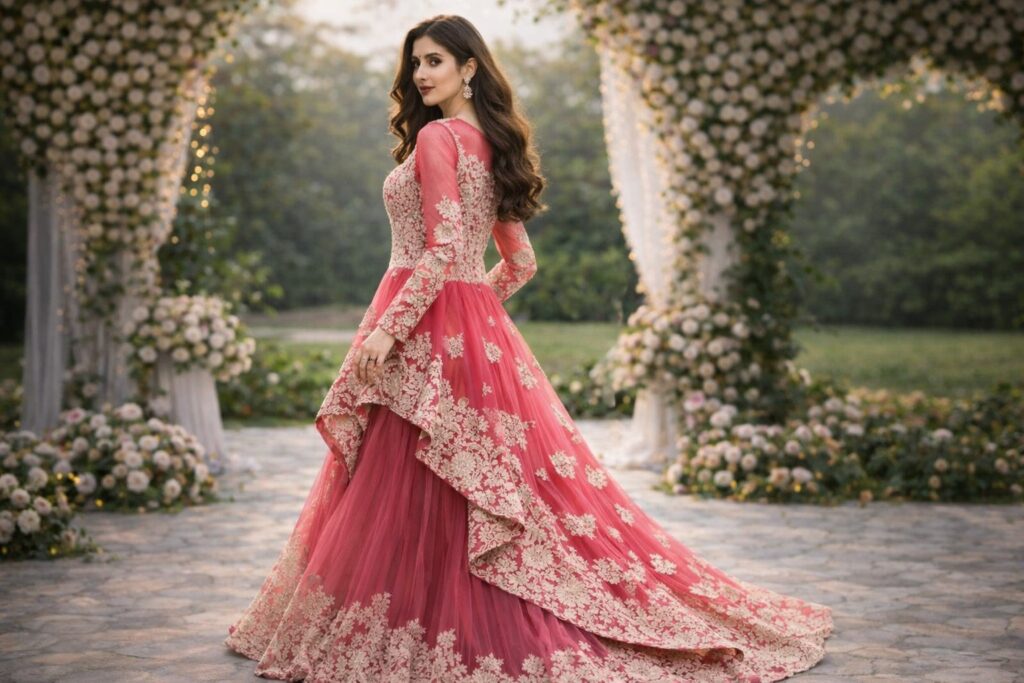
3. Layered Anarkali
Features multiple layers of fabric, creating a voluminous and dramatic effect.
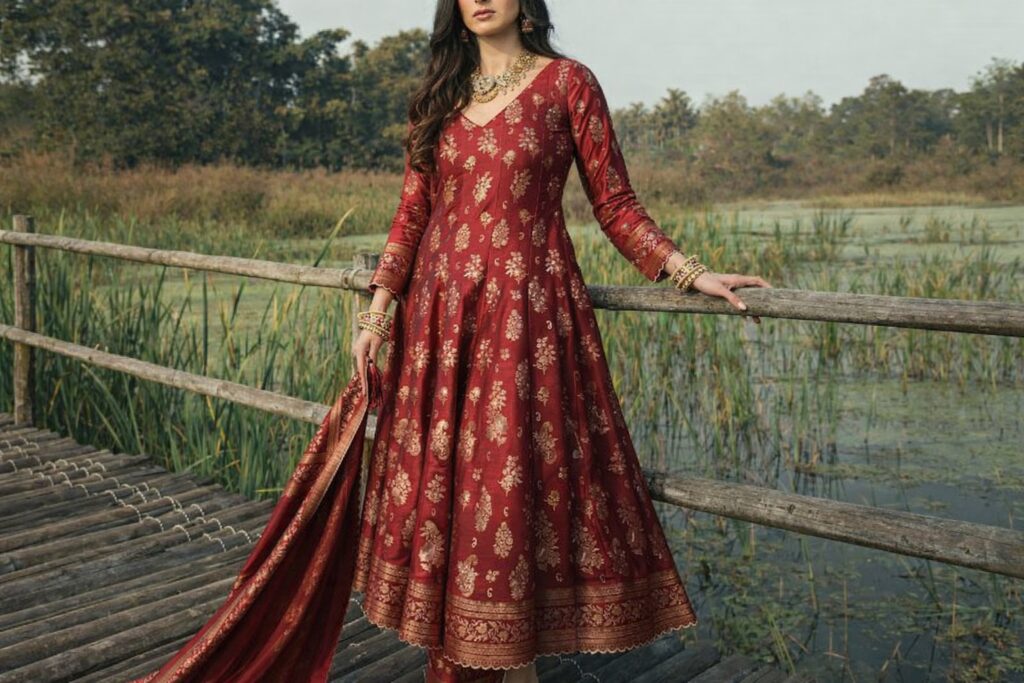
4. Printed Anarkali
Ideal for casual and semi-formal wear, often made with light fabrics and simple designs.
5. Anarkali with Palazzo
A contemporary combination that replaces churidar with palazzo pants for added comfort.
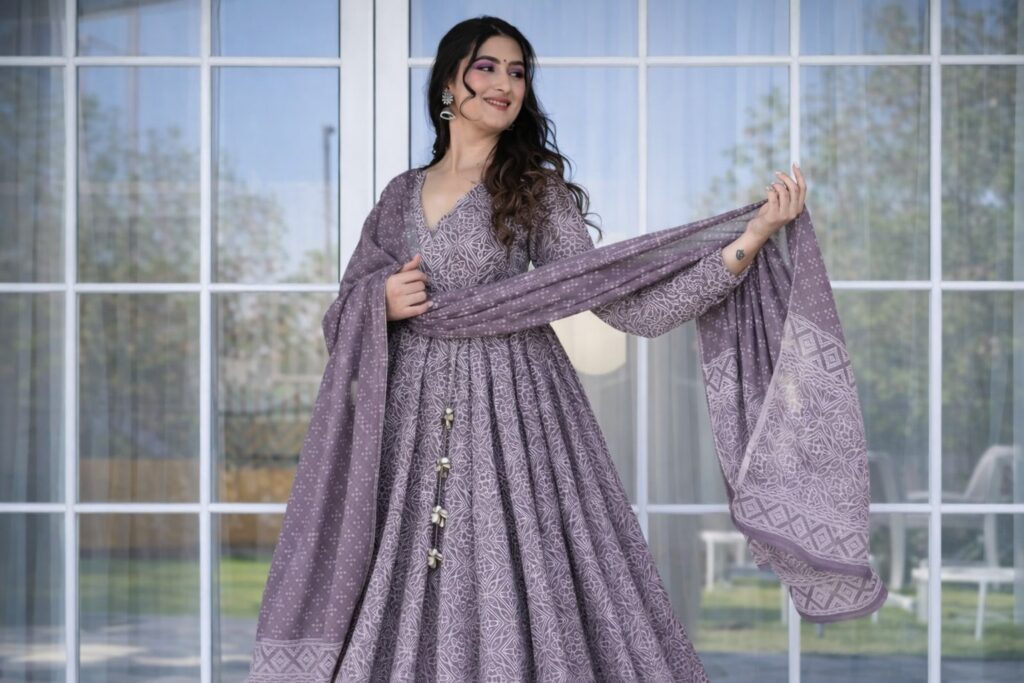
Styling an Anarkali Kurta
Styling plays a significant role in enhancing the beauty of an Anarkali kurta. With the right accessories and combinations, it can suit any occasion.
Bottom Wear Options
- Churidar (traditional and classic)
- Leggings (comfortable and simple)
- Palazzo (modern and trendy)
Dupatta Styling
- Draped over one shoulder for elegance
- Pleated neatly for a formal look
- Styled like a cape for a modern twist
Accessories
- Statement earrings or jhumkas
- Bangles or bracelets
- Clutches or potli bags
Footwear
- Juttis for a traditional vibe
- Heels for a formal appearance
- Sandals for casual comfort
Modern Trends in Anarkali Kurta
Fashion designers continuously reinvent the Anarkali kurta to keep it relevant. Some modern trends include:
- Indo-western fusion styles
- Minimalist designs with subtle embroidery
- Asymmetrical cuts
- Cape-style dupattas
- Pastel color palettes
These trends make the outfit appealing to younger generations while maintaining its traditional roots.
Care and Maintenance
To maintain the beauty of an Anarkali kurta, proper care is essential.
Tips for Maintenance:
- Dry clean heavy embroidered outfits
- Store in breathable garment bags
- Avoid direct sunlight for long durations
- Iron at low temperature for delicate fabrics
Proper care ensures the longevity and elegance of the garment.
Conclusion
The Anarkali kurta is more than just a piece of clothing; it is a symbol of grace, tradition, and timeless fashion. From its royal origins to its modern adaptations, it continues to captivate women across generations.
Whether you are attending a wedding, celebrating a festival, or simply looking for a stylish ethnic outfit, the Anarkali kurta remains a perfect choice. Its ability to combine comfort, elegance, and cultural richness makes it an essential addition to every wardrobe.