

Banarasi silk sarees are among the most celebrated handwoven textiles in India. Originating from the historic city of Varanasi, these sarees are known for their rich silk, intricate zari work, and Mughal-inspired motifs. Traditionally associated with bridal wear and grand occasions, Banarasi sarees symbolize luxury, heritage, and timeless elegance.
Here is a detailed look at the Top 15 Banarasi silk saree types, each with its unique weaving style and charm.
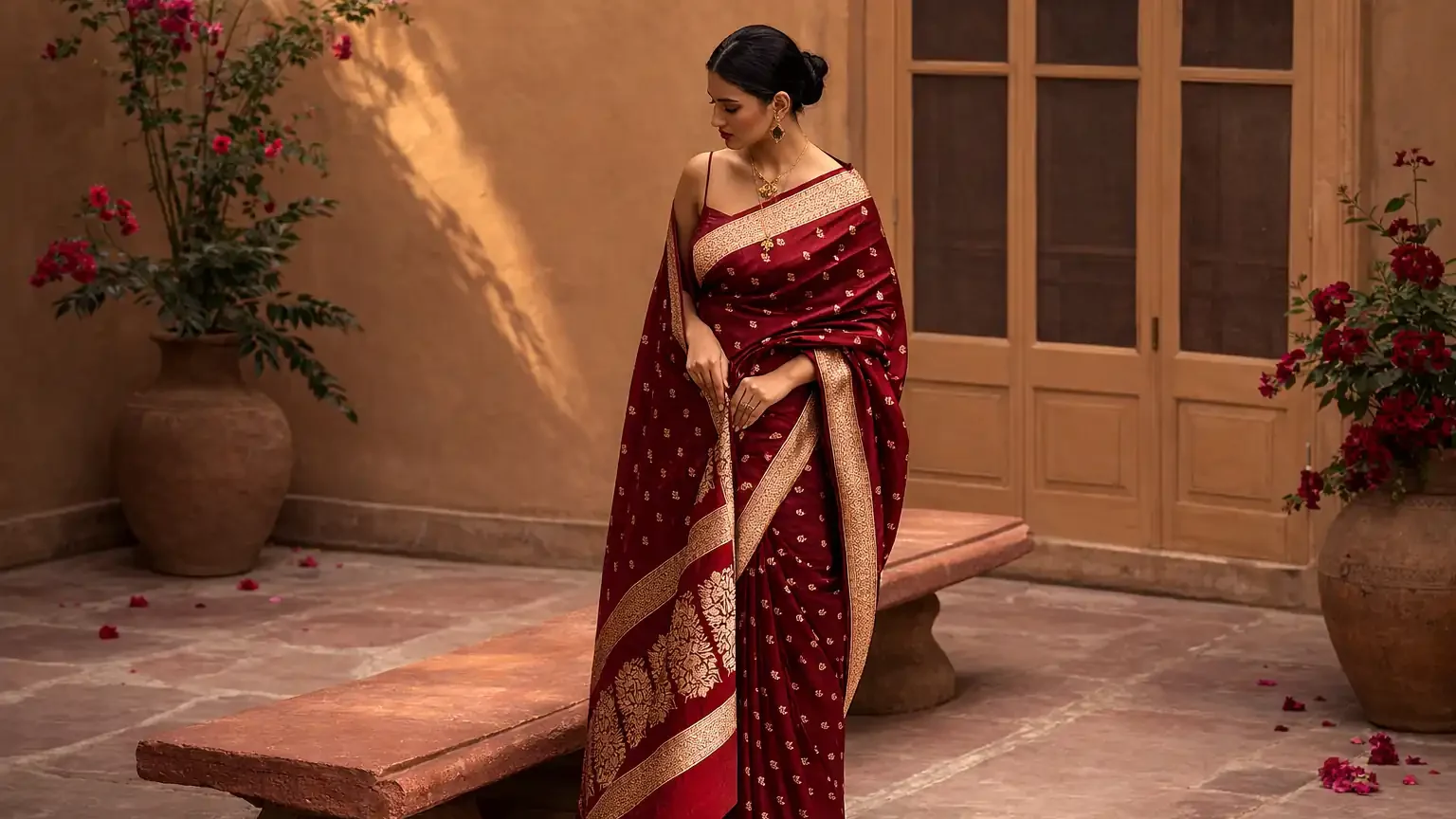
1. Katan Banarasi Silk Saree
Katan is made from pure silk threads that are tightly twisted to create a strong and smooth fabric. It is one of the most traditional and luxurious Banarasi weaves. Known for its durability and glossy texture, Katan sarees often feature elaborate zari work and detailed patterns.
Ideal for: Weddings and formal celebrations.
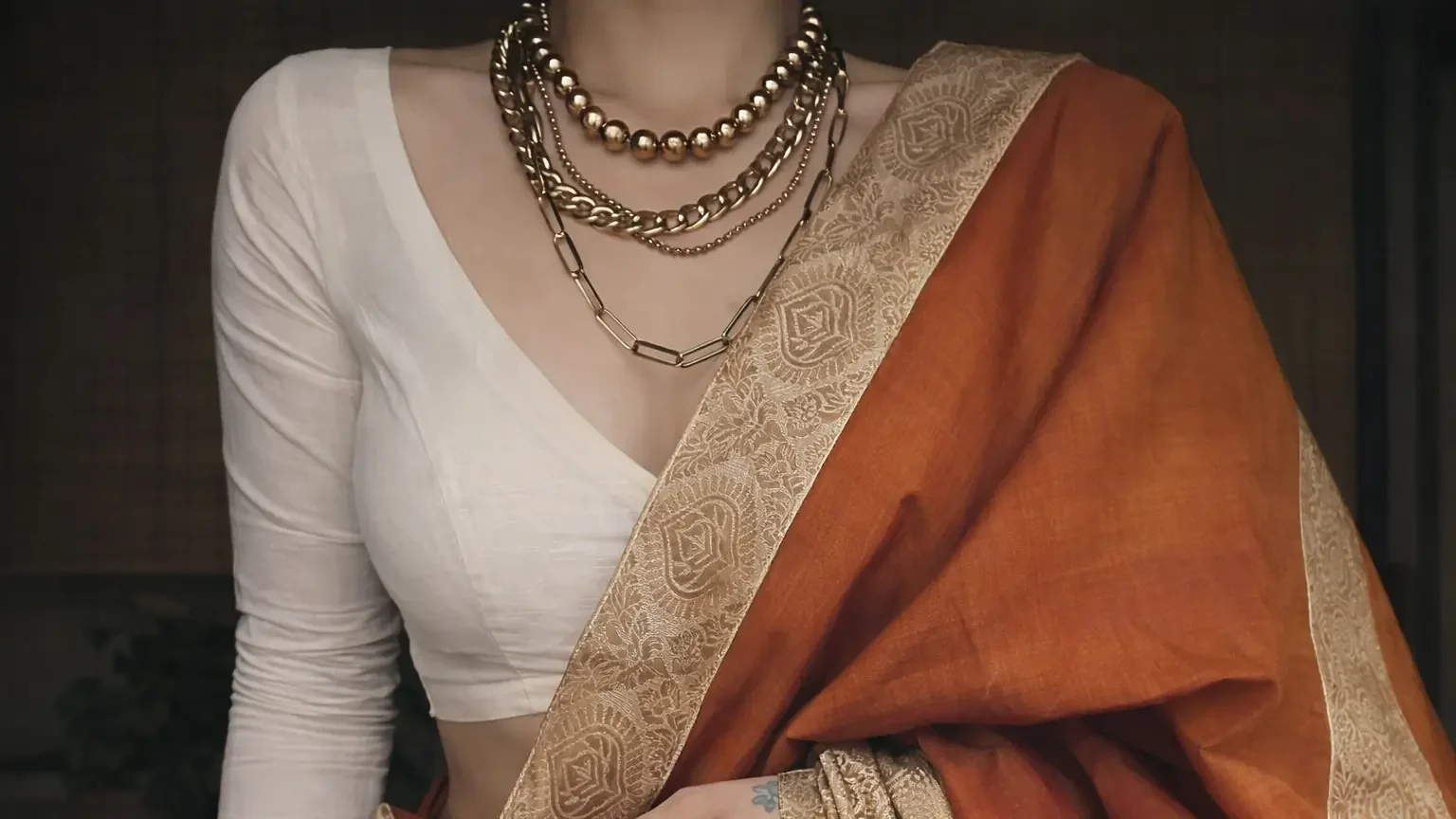
2. Organza (Kora) Banarasi Saree
Organza, also known as Kora silk, is lightweight and sheer. It is woven using fine silk threads combined with zari, resulting in delicate yet intricate patterns. These sarees offer a graceful and airy appearance.
Ideal for: Festive occasions and daytime events.
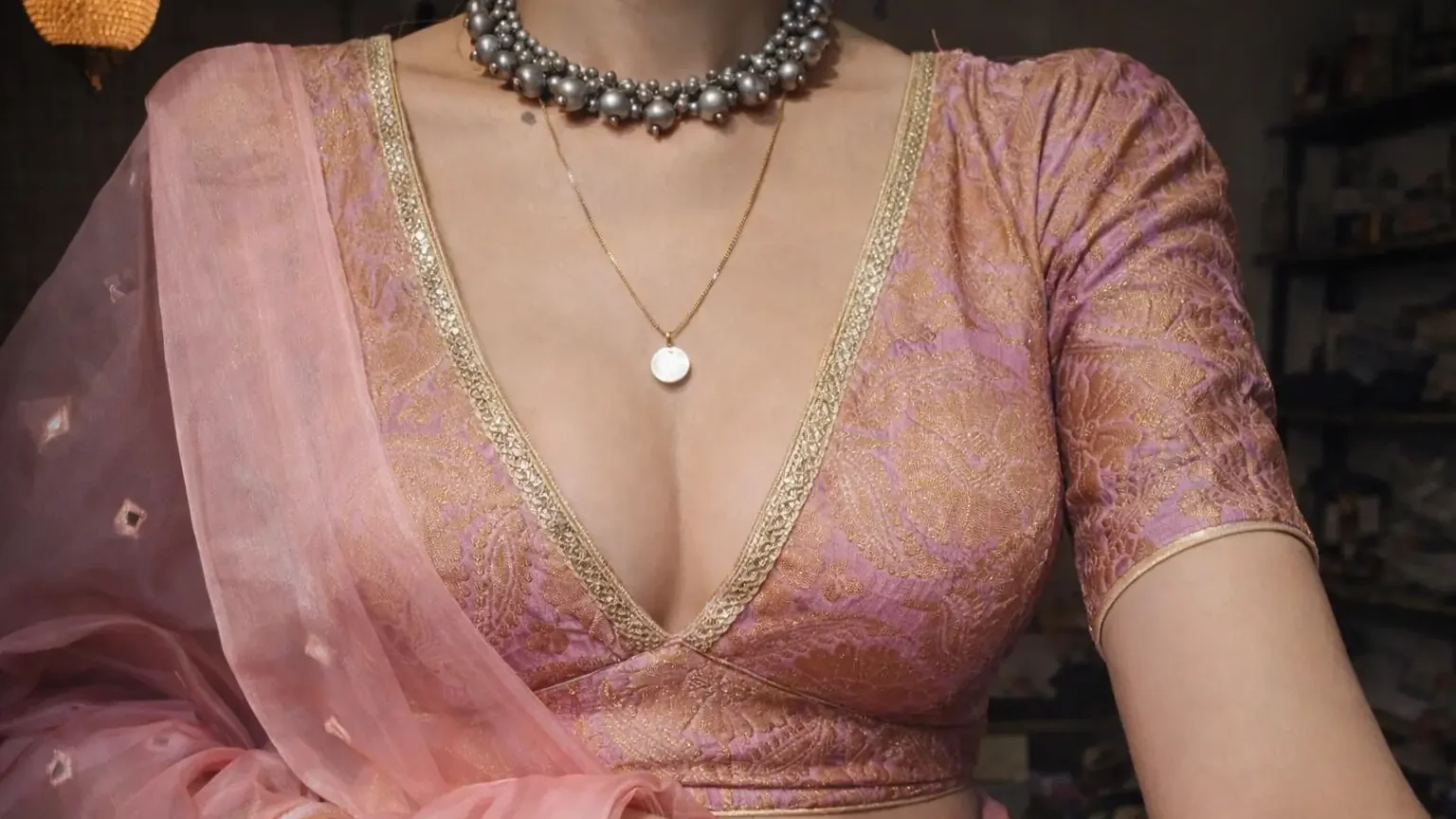
3. Georgette Banarasi Saree
Made with twisted silk yarn, Banarasi georgette sarees are lightweight and flowy. They drape beautifully and are easier to carry compared to heavier silk varieties.
Ideal for: Parties, receptions, and social gatherings.
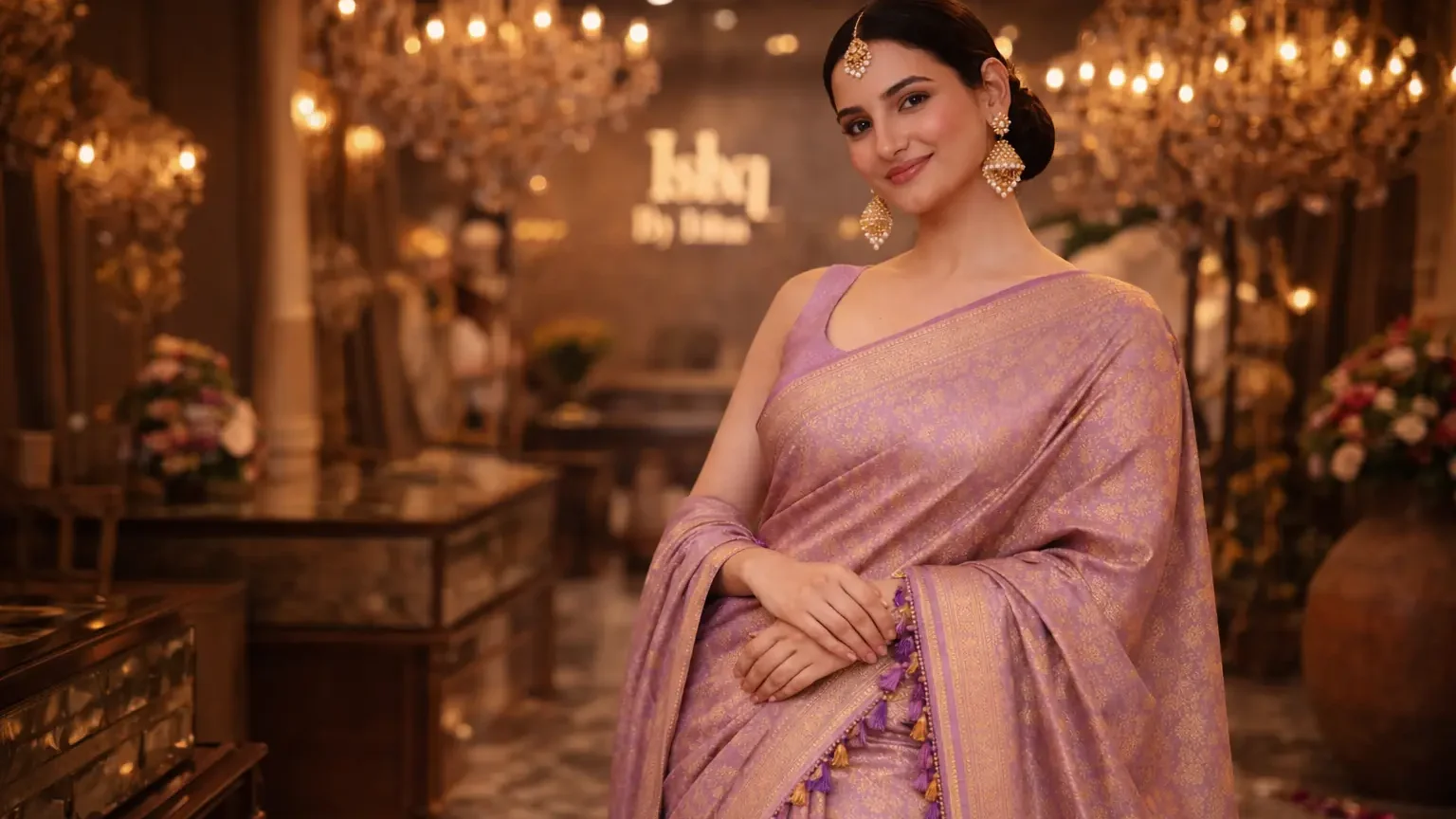
4. Shattir Banarasi Saree
Shattir is a modern Banarasi weaving style known for contemporary designs and experimental patterns. It maintains traditional craftsmanship while adapting to modern fashion preferences.
Ideal for: Trendy festive looks.
5. Tanchoi Banarasi Saree
Tanchoi sarees are famous for their intricate, densely woven patterns that usually do not use much zari. The designs are often inspired by floral and paisley motifs, creating a rich textured appearance.
Ideal for: Elegant traditional functions.
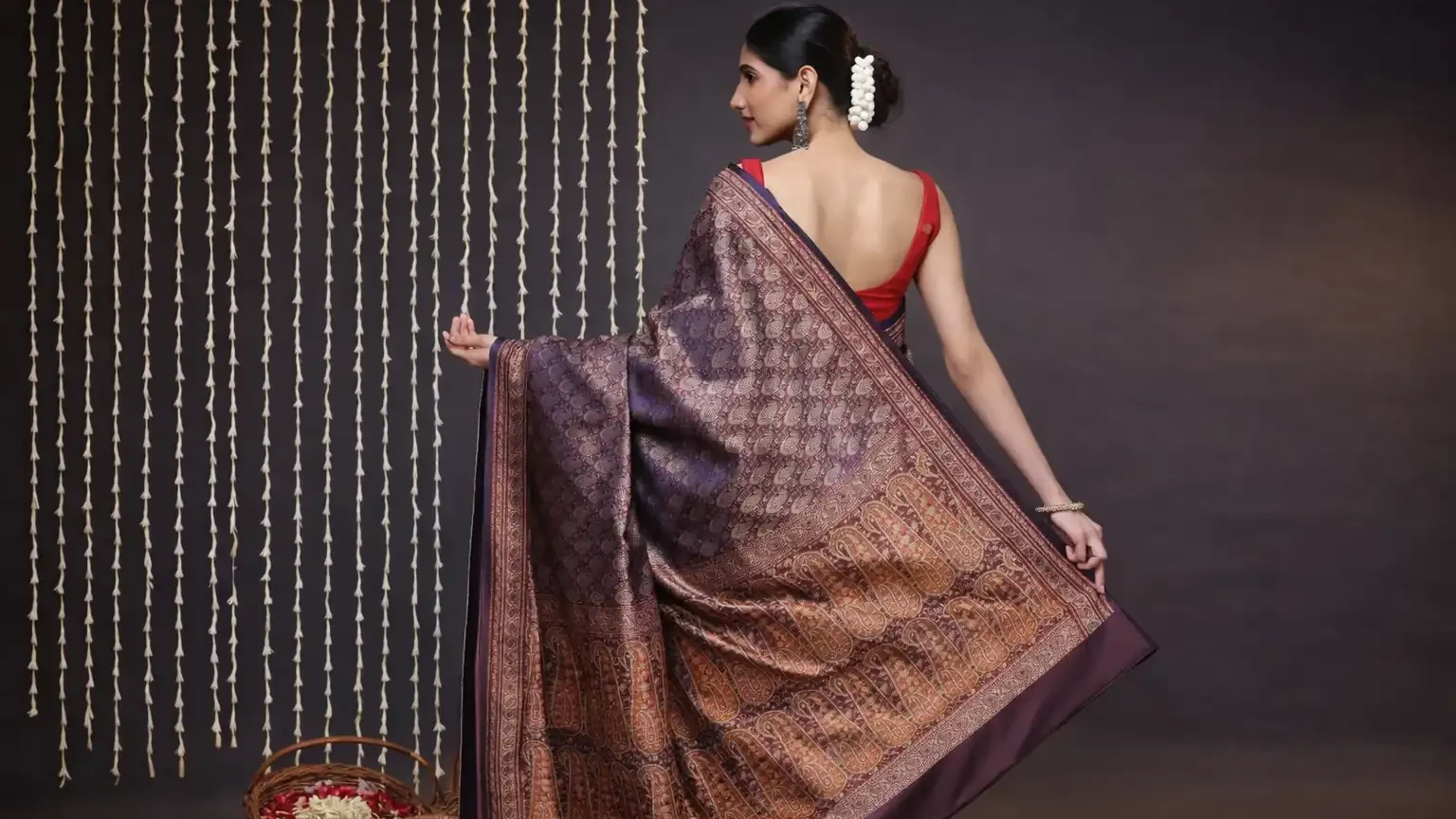
6. Jangla Banarasi Saree
Jangla sarees are characterized by heavy floral vine patterns spread across the entire fabric. These sarees often use gold and silver zari extensively, giving them a royal appeal.
Ideal for: Bridal trousseau and grand weddings.
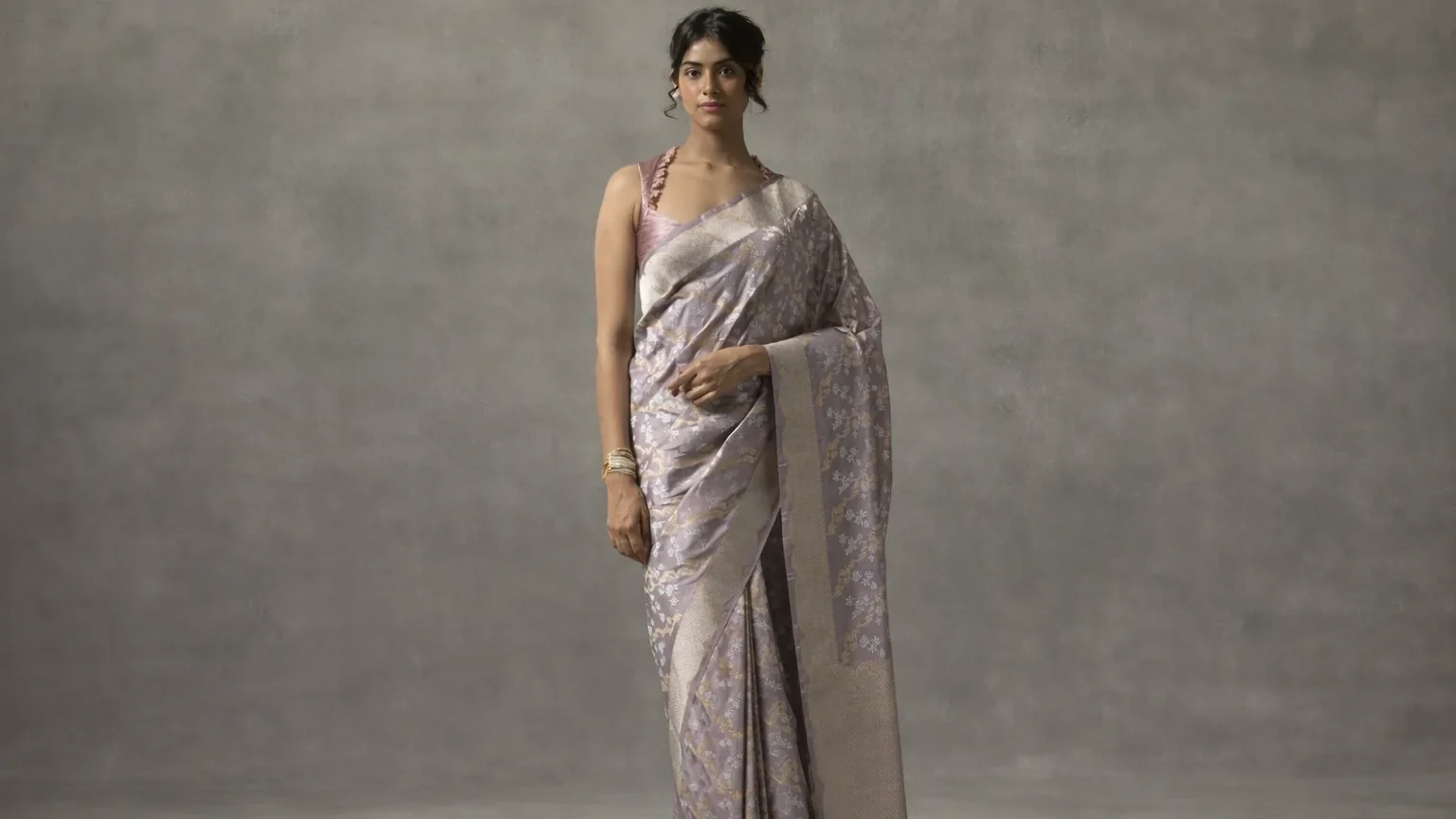
7. Cutwork Banarasi Saree
Cutwork sarees are lighter versions of traditional Banarasi sarees. After weaving, extra threads are cut away to form intricate designs, making the saree less heavy while retaining elegance.
Ideal for: Semi-formal events.
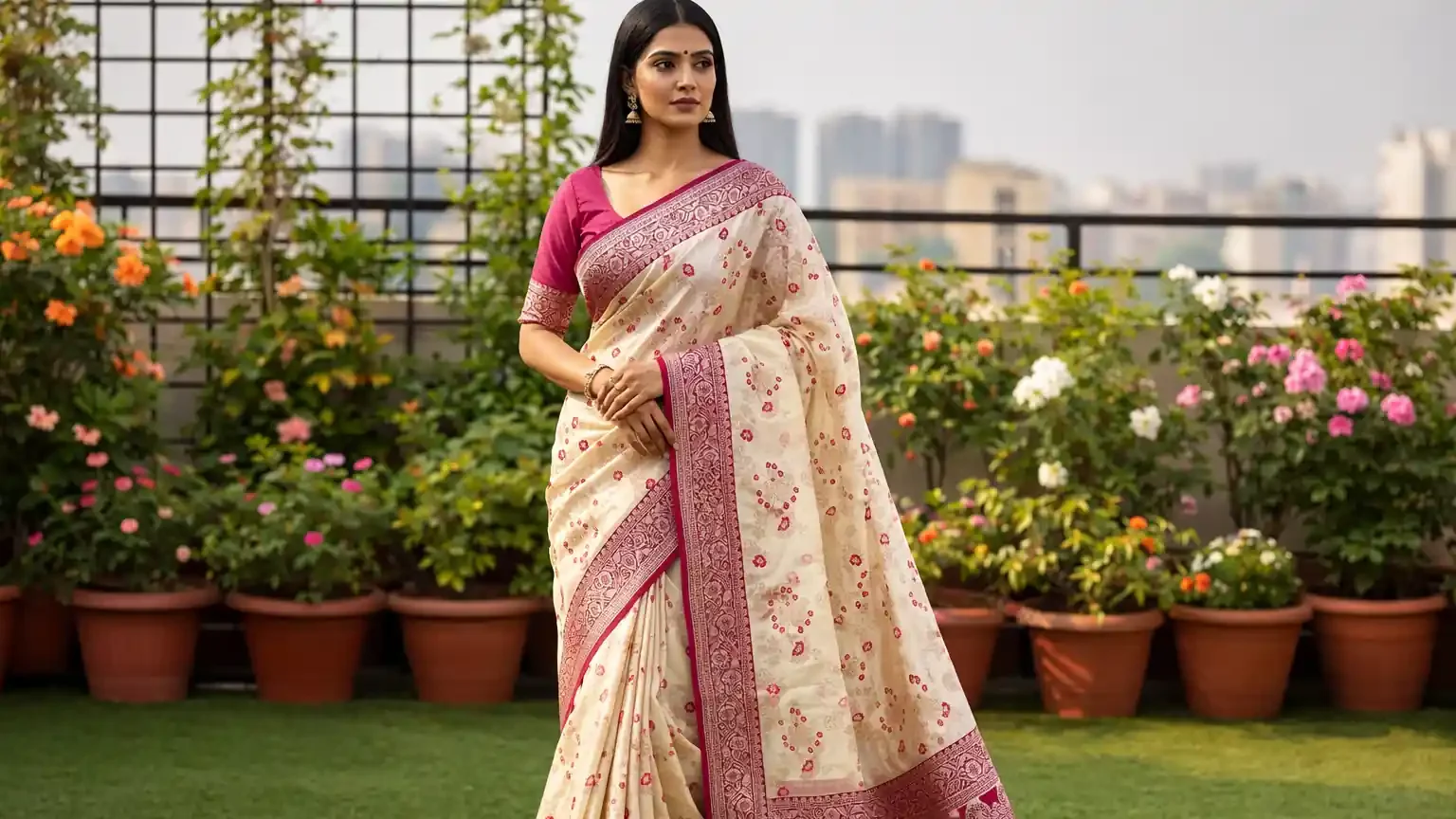
8. Tissue Banarasi Saree
Tissue Banarasi sarees are known for their shimmering metallic finish. Silk threads are woven with zari to create a glossy texture that reflects light beautifully.
Ideal for: Evening functions and festive nights.
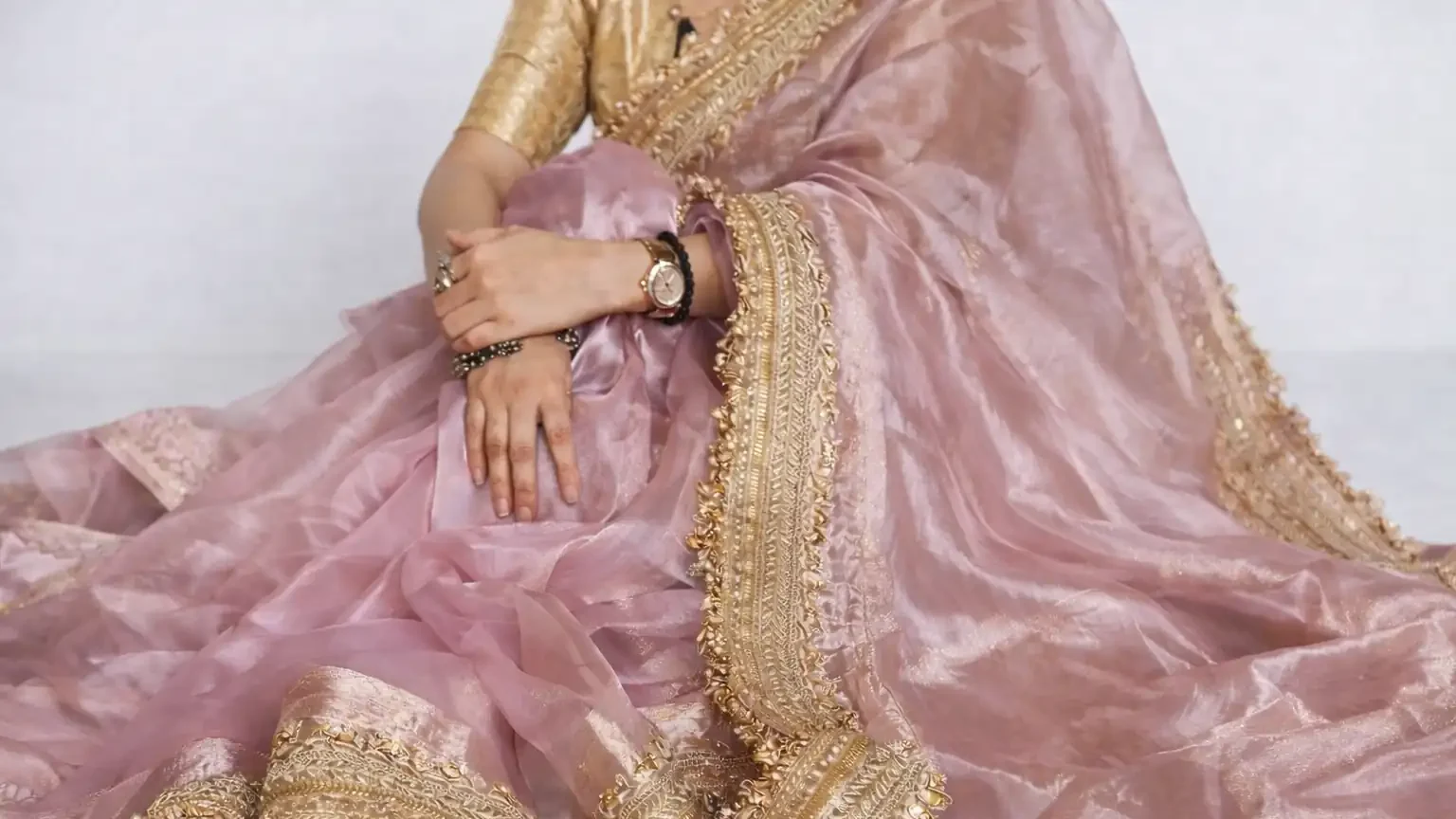
9. Butidar Banarasi Saree
Butidar sarees feature small, evenly spaced motifs known as “butis” across the body. These motifs are typically woven using gold, silver, or colored zari.
Ideal for: Traditional ceremonies.
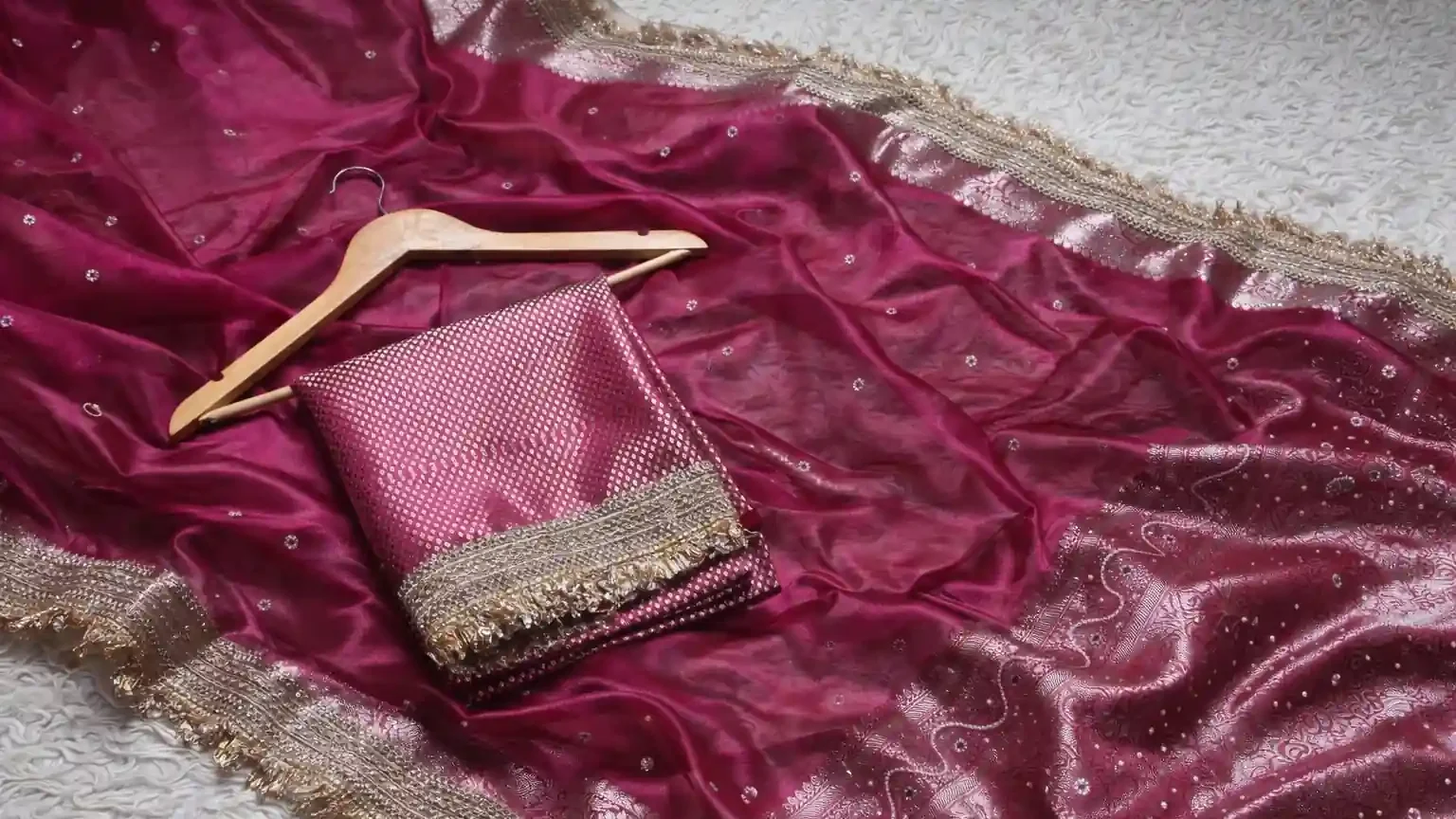
10. Meenakari Banarasi Saree
Meenakari weaving involves adding colored threads within zari motifs, creating vibrant and multicolored designs. This technique enhances the richness of traditional patterns.
Ideal for: Weddings and festivals.
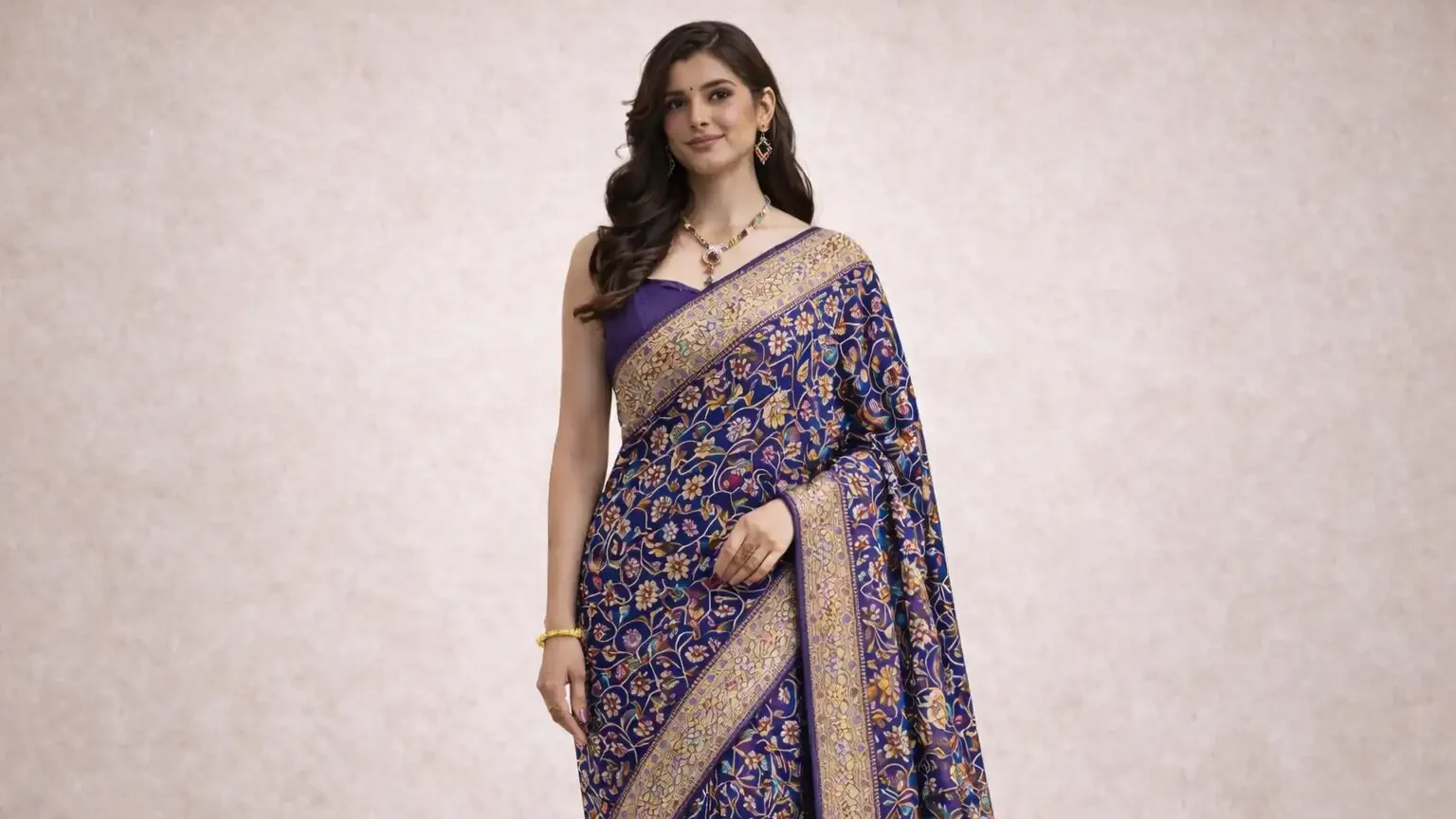
11. Booti Banarasi Saree
Booti designs are slightly larger motifs compared to butidar patterns. They are spread across the saree in an elegant and balanced manner, offering a subtle yet stylish look.
Ideal for: Cultural and religious functions.
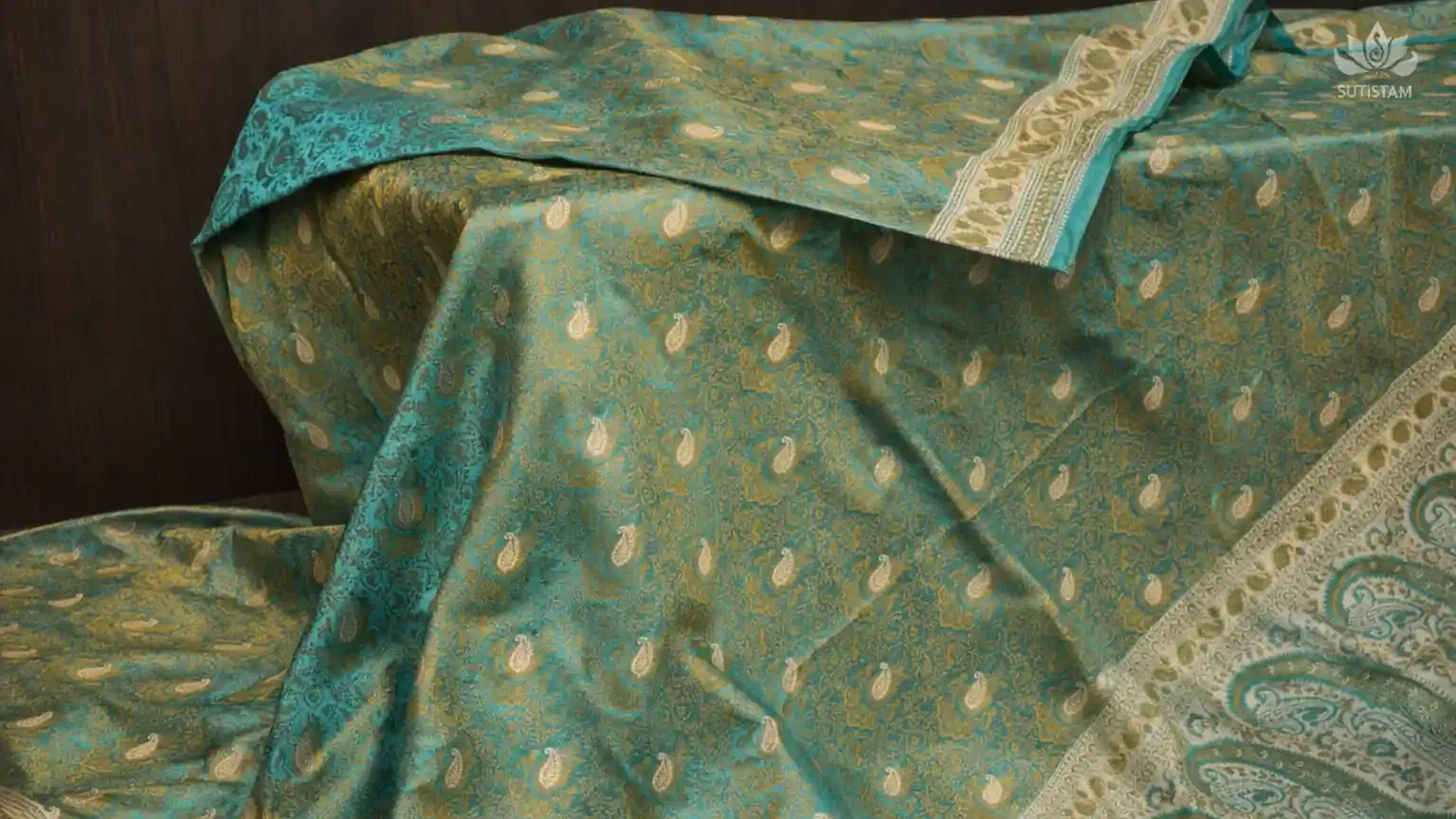
12. Konia Banarasi Saree
Konia designs are typically woven into the corners of the saree, especially in the pallu area. These designs often include mango or paisley motifs and require great skill to weave.
Ideal for: Traditional bridal attire.
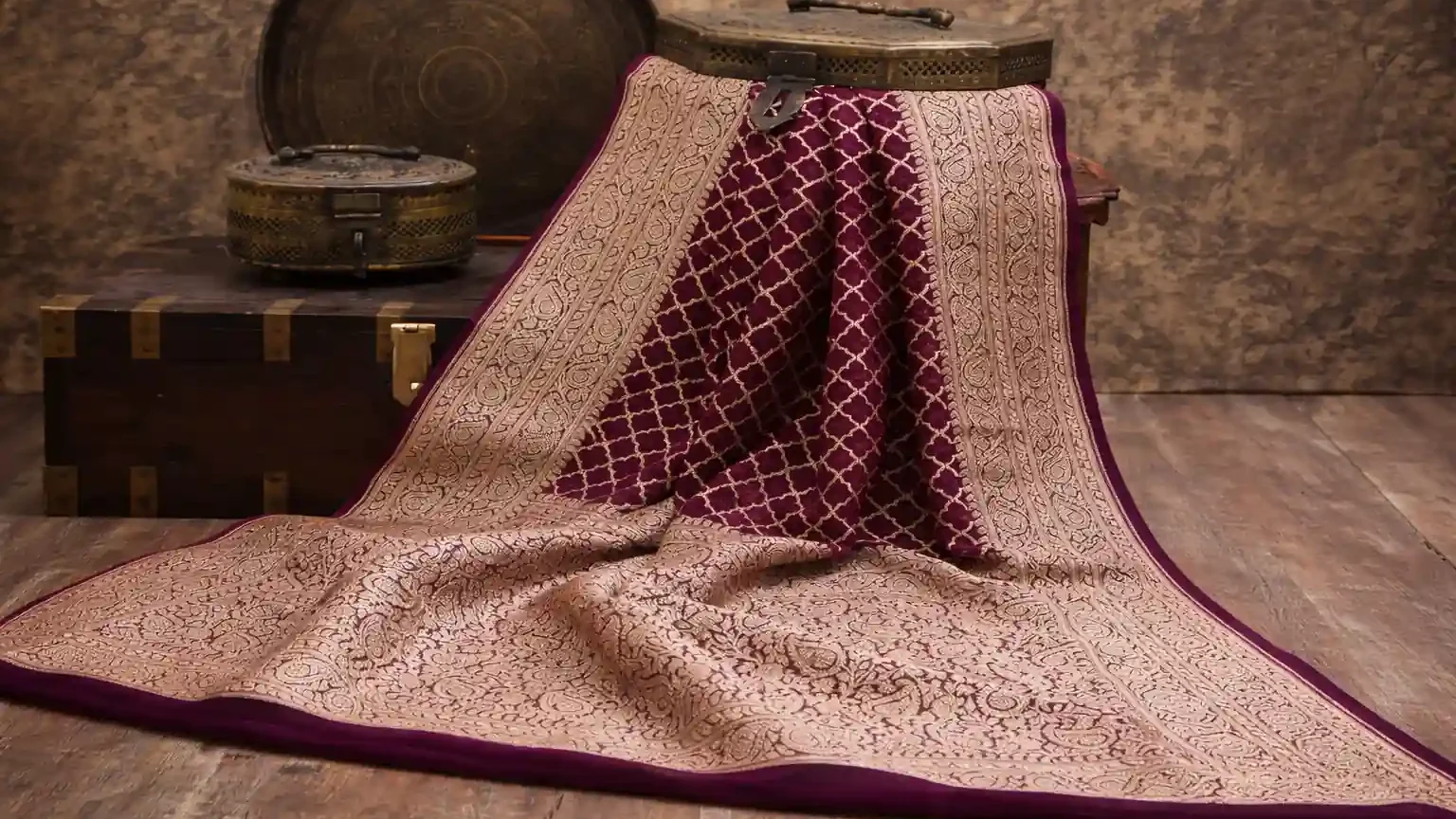
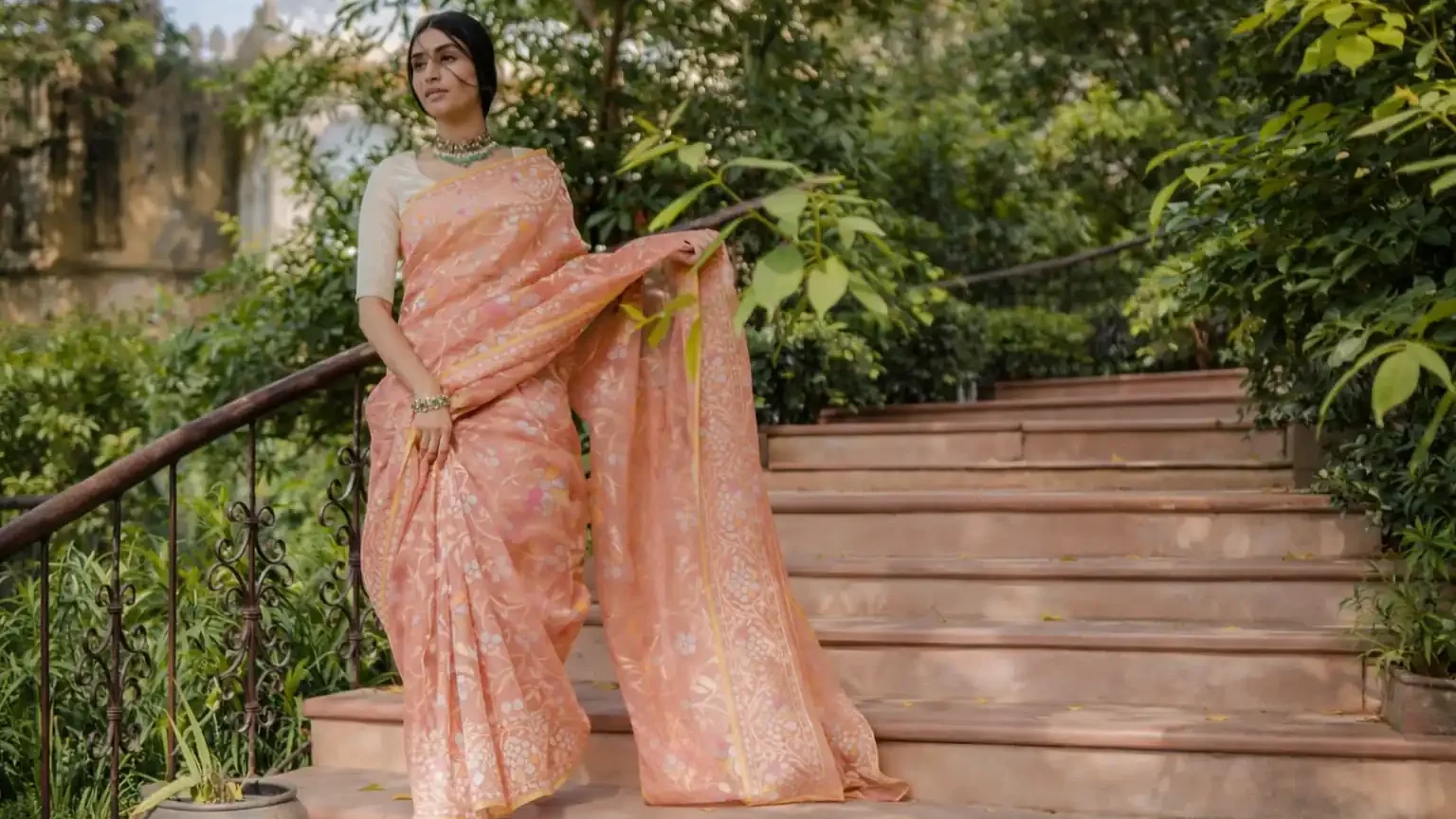
13. Jamdani Banarasi Saree
Inspired by the Jamdani weaving technique, these sarees feature delicate motifs that appear to float on the surface of the fabric. The designs are created using a labor-intensive hand-weaving process.
Ideal for: Sophisticated and graceful occasions.
14. Rangkat Banarasi Saree
Rangkat sarees are known for their distinctive striped patterns achieved through skillful color blending during the weaving process. The combination of colors adds a vibrant appeal.
Ideal for: Festive celebrations.
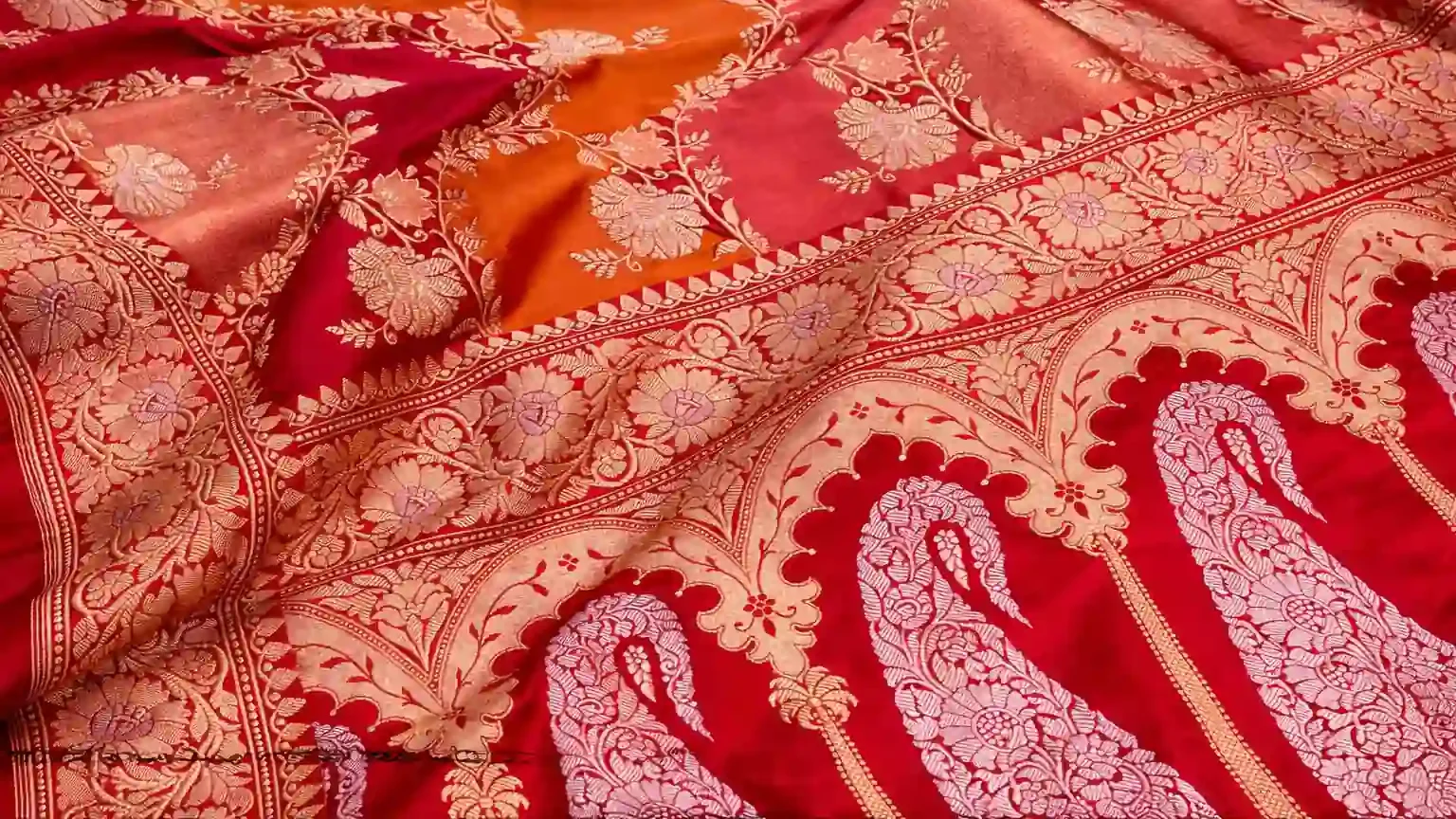
15. Khaddi (Khaddi Georgette) Banarasi Saree
Khaddi sarees combine silk and cotton threads to produce a soft, rich texture. These sarees are lightweight yet luxurious, often adorned with detailed zari work.
Ideal for: Bridal and formal wear.
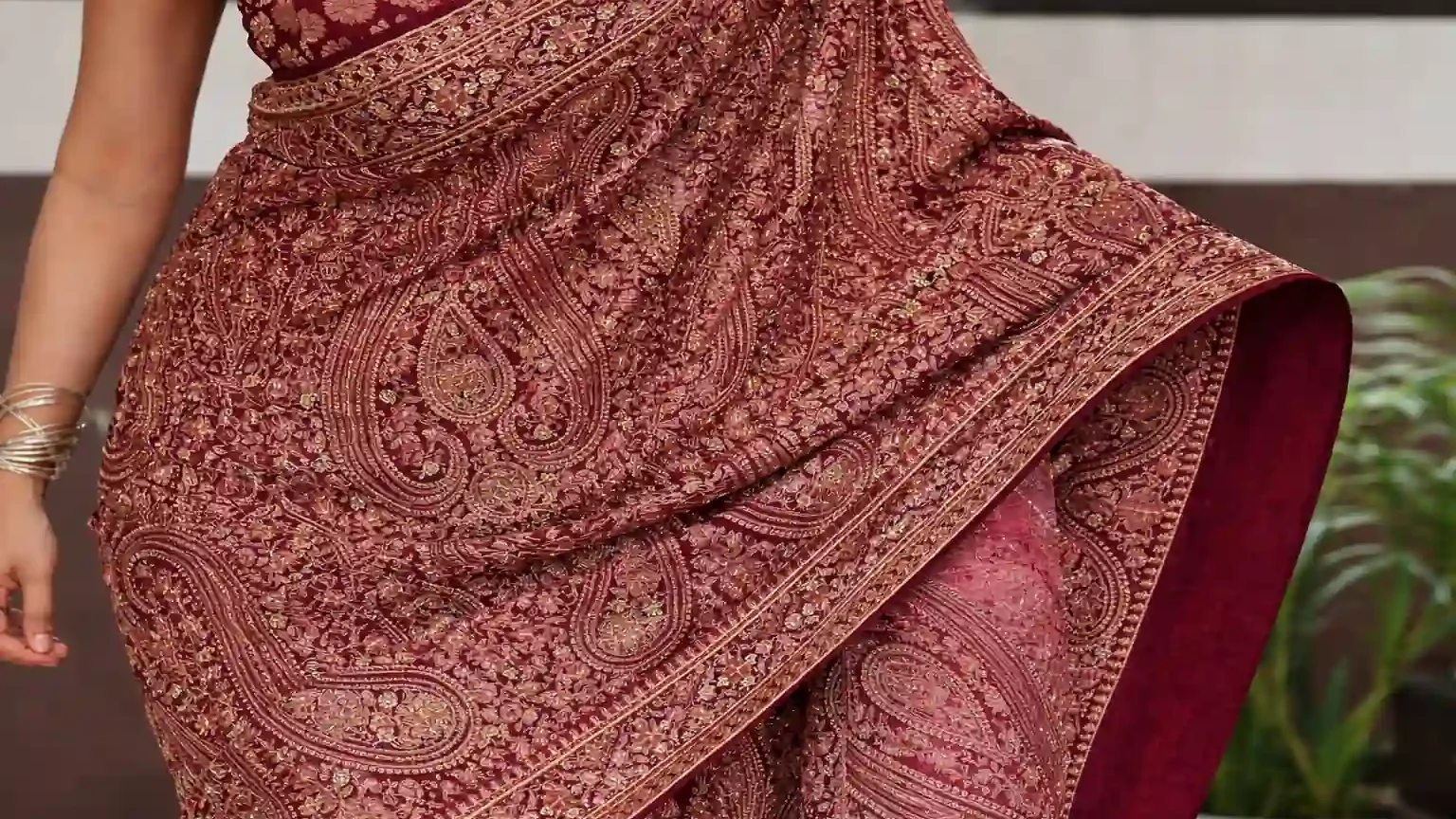
Why Banarasi Sarees Remain Timeless
Banarasi silk sarees are deeply rooted in Indian tradition. Influenced by Mughal artistry, their motifs often include floral vines (bel), intricate paisleys, and elaborate borders. Skilled artisans in Varanasi continue to preserve this centuries-old craft, passing techniques from one generation to the next.
Each Banarasi saree can take weeks or even months to complete, depending on the complexity of the design. The use of real gold and silver zari in traditional sarees further enhances their value and prestige.
Conclusion
Banarasi silk sarees are not just garments they are woven legacies. From the grandeur of Jangla and Katan to the elegance of Organza and Jamdani, each type offers something unique. Whether chosen for a wedding, festival, or special occasion, a Banarasi saree remains a symbol of grace, tradition, and timeless beauty.

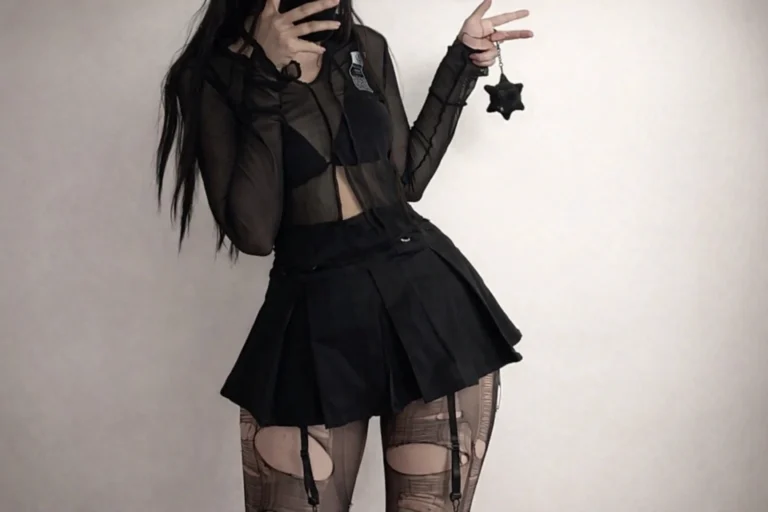

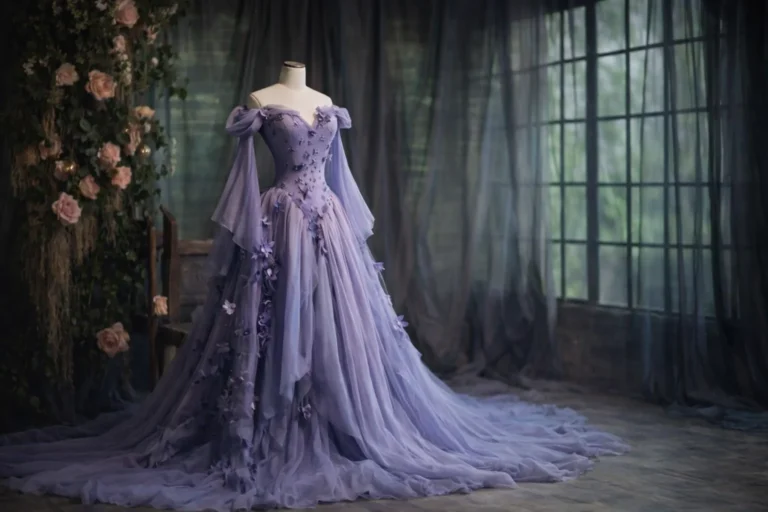


[…] how these classic drapes are styled. Today’s brides and wedding guests are embracing the silk saree modern look, blending heritage with contemporary design, innovative draping techniques, and stylish […]
Today’s brides and wedding guests style classic silk sarees with modern draping, statement blouses, belts, and contemporary accessories, creating a perfect blend of traditional elegance and fashionable, trend-forward bridal and festive looks. ✨
[…] mini skirt […]